What happens in your body when you eat avocado—monounsaturated fats, fiber, potassium, satiety, realistic US portions, avocado toast calories, and heart-health context without hype.
When you eat avocado, your body digests mostly monounsaturated fat and fiber, with useful potassium and folate. Fat slows digestion and can improve absorption of carotenoids from colorful vegetables eaten in the same meal. Half a medium Hass avocado is a practical US portion (~100–120 calories). Avocados fit heart-forward dietary patterns when they replace refined snacks or excess saturated fat—not when you eat unlimited toast toppings without counting calories.
Key takeaways
The essentials in plain language—useful before the deep dive.
✓
Avocado benefits center on monounsaturated fat, fiber, potassium, and meal satiety—not miracle fat-burning.
✓
Avocado nutrition for half a medium fruit is roughly 100–120 calories, ~10 g fat, and ~4–5 g fiber (USDA approximate).
✓
A practical US portion is about one-third to one-half medium Hass avocado per sitting for most adults.
✓
Swapping avocado for refined carbs or higher-saturated snacks fits heart-friendly patterns studied in US dietary guidance.
✓
Avocado toast calories climb fast with oil, cheese, eggs, and thick bread—count the whole plate.
✓
Limit or personalize intake with latex-fruit allergy, avocado allergy, or clinician-ordered potassium restriction.
Quick answers
Short answers to common questions—details follow below.
What happens if you eat avocado every day?
Most healthy adults absorb monounsaturated fat, fiber, potassium, and folate. A daily half fruit is common. Benefits track with overall diet quality and portion size—not unlimited avocado toast.
Is avocado good for weight loss?
Avocado can increase fullness from fat and fiber, which may help some people eat fewer refined snacks. It is still calorie-dense. Weight loss requires a sustainable calorie deficit; measure portions if progress stalls.
How much avocado should you eat per day?
About one-third to one-half medium Hass avocado is a practical daily target for many US adults. Adjust for calorie needs, activity, and medical potassium limits.
How many calories are in half an avocado?
Roughly 100–120 calories for half a medium avocado (~68 g edible), mostly from monounsaturated fat, with about 4–5 g fiber (USDA approximate).
How many calories are in a whole avocado?
A whole medium avocado is often around 200–250+ calories depending on size. Large restaurant avocados can be higher—check weight when tracking closely.
Does avocado lower cholesterol?
Replacing saturated fat–heavy foods with avocado can support healthier LDL patterns for some people. Avocado does not replace prescribed lipid medication or clinician care.
What happens over time
A typical timeline after eating Avocado—not a personal medical forecast. Individual responses vary.
●
0–15 minutes
Step 1 Evidence: Strong
First bites
What happens: Creamy monounsaturated fat and fiber slow eating pace for many people and begin structuring the meal bolus.
Pattern certainty: typical
●
1–4 hours
Step 2 Evidence: Moderate
Digestion and absorption
What happens: Dietary fats emulsify with bile; fat-soluble carotenoids from co-eaten vegetables often absorb more efficiently with avocado fat.
Pattern certainty: typical
●
2–5 hours
Step 3 Evidence: Moderate
Fullness window
What happens: Fat plus fiber can support longer satiety versus a refined snack of similar bulk—individual hunger still varies.
Pattern certainty: typical
●
Days to weeks
Step 4 Evidence: Moderate
Daily pattern
What happens: Consistent half-fruit portions can raise produce-fat quality in the diet; oversized daily servings add calories quickly.
Pattern certainty: typical
●
0–15 minutes
Evidence: Strong
First bites
What: Creamy monounsaturated fat and fiber slow eating pace for many people and begin structuring the meal bolus.
●
1–4 hours
Evidence: Moderate
Digestion and absorption
What: Dietary fats emulsify with bile; fat-soluble carotenoids from co-eaten vegetables often absorb more efficiently with avocado fat.
●
2–5 hours
Evidence: Moderate
Fullness window
What: Fat plus fiber can support longer satiety versus a refined snack of similar bulk—individual hunger still varies.
●
Days to weeks
Evidence: Moderate
Daily pattern
What: Consistent half-fruit portions can raise produce-fat quality in the diet; oversized daily servings add calories quickly.
Nutrient snapshot
Serving size: 1/2 medium avocado (~68 g edible)
At a glance
Calories
114 kcal
Protein
1.3 g
Fat
10.5 g
Carbs
6 g
Fiber
4.6 g
Sugar
0.2 g
Vitamin highlights
Folate ~60 mcg 15% DV
Vitamin K ~14 mcg
Minerals
Potassium ~345 mg 7% DV
Magnesium ~20 mg
% Daily Value based on a general 2,000-calorie reference diet where shown. Values are approximate.
Source: USDA FoodData Central (approximate values for raw avocado; half medium fruit)
Benefits
Potential upsides when this food fits a balanced pattern—not guaranteed outcomes for every person.
Heart-friendly fat swap when portions stay realistic
Evidence: Moderate
Replacing foods high in saturated fat with avocado’s monounsaturated fat fits American Heart Association–aligned patterns that emphasize unsaturated fats from plants, nuts, seeds, and oils—not unlimited avocado alone.
Avocado is a practical potassium source in US kitchens (guacamole, salads, toast). Dietary potassium patterns relate to blood-pressure–friendly eating—avocado is one tool among many fruits and vegetables.
Better carotenoid absorption from colorful produce
Evidence: Moderate
Adding avocado to salads or salsa can improve absorption of fat-soluble plant pigments from tomatoes, carrots, and leafy greens when fat is otherwise low in the meal.
Some people with latex allergy develop oral itching or more serious reactions to avocado. Stop and seek care if symptoms appear.
Food safety for guacamole
Refrigerate leftovers promptly; discard if off-odor or mold appears. Restaurant guac sodium can be high—check menus when watching salt.
Who should limit this food
Educational context only—not a diagnosis tool. When in doubt, ask a qualified clinician.
!
Latex-fruit syndrome or known avocado allergy
Avoid avocado and guacamole unless cleared by an allergist.
!
Advanced kidney disease or potassium-restricted diets
Follow your nephrology or dietitian plan for portions.
!
People aiming for aggressive calorie deficits
Still usable in measured spoons or thin toast layers—weigh or measure until portions feel automatic.
How much & how often
For most healthy US adults, about one-third to one-half medium Hass avocado (roughly 50–80 g edible flesh) once a day is a practical range that delivers healthy fats and fiber without casually doubling lunch calories. Athletes and higher-energy needs can use more within total diet goals. Spread larger amounts across meals rather than eating two whole avocados in one sitting if weight control is a priority.
Avocado composition is well documented in food databases. Clinical and substitution studies suggest that avocado can support favorable lipid patterns when it replaces less healthy fats or refined snacks, but results depend on the comparison food and total diet. Weight outcomes track calories and adherence—not avocado as a stand-alone fat-loss drug. Carotenoid-absorption research supports pairing avocado with colorful produce.
Evidence in this article
Food composition
USDA nutrient data for raw avocado servings.
Substitution and feeding trials
Avocado in place of other fats or carbohydrate snacks, with lipid and satiety endpoints.
Dietary guidance
US-aligned advice on unsaturated fats, fiber, and produce-rich patterns.
Hierarchy of evidence
1
Systematic reviews & guidelines
Highest synthesis
2
Randomized trials
Strong causal designs
3
Observational studies
Association signals
4
Mechanistic / lab
Hypothesis-generating
Higher on this list generally means stronger confidence for public guidance—but every design has limits.
Research limitations
Many trials are industry-funded or small; effects vary with the foods avocado replaces.
“Hass” fruit size varies; restaurant servings are not lab portions.
Blood-pressure and diabetes outcomes depend on overall eating patterns and medical care.
In depth
The short story
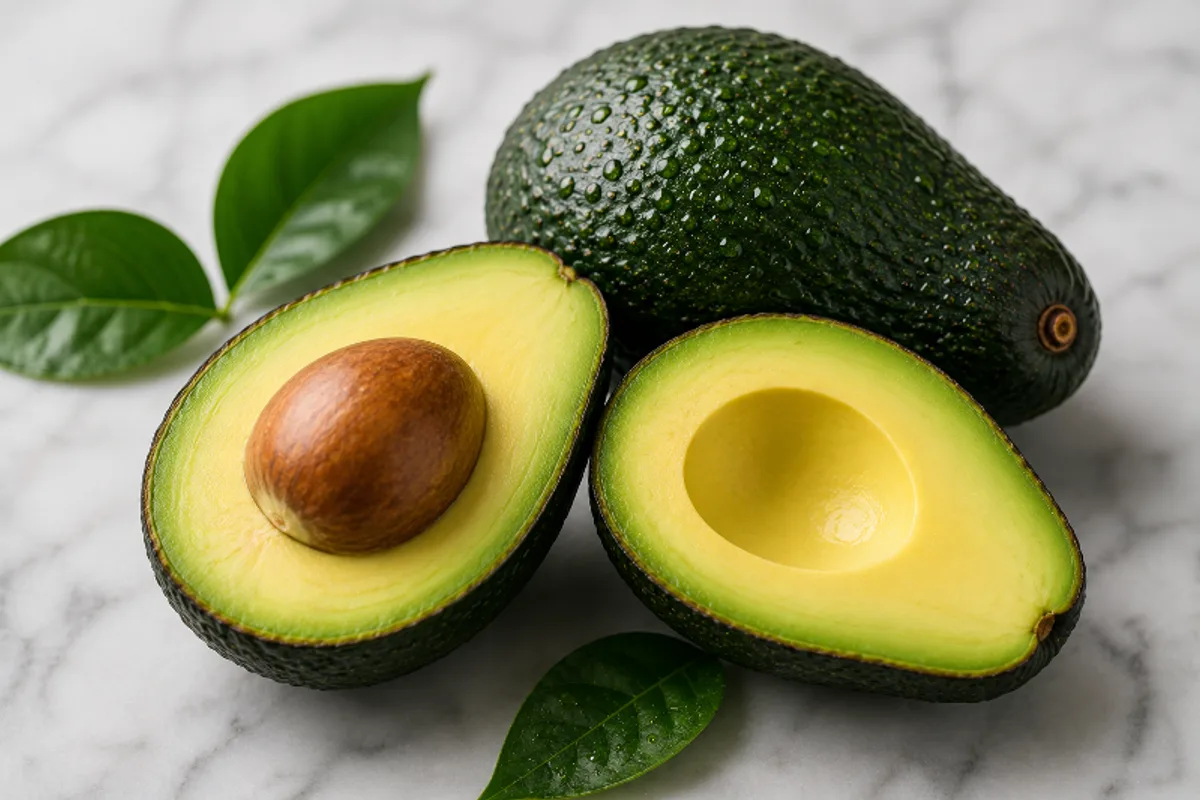
Avocado is a creamy fruit Americans treat like a spread, salad booster, and toast topping. When you eat it, your body mainly digests monounsaturated fat and fiber, with meaningful potassium and folate. That combo can keep you full longer than a bag of chips—and it can help your gut absorb colorful plant nutrients from the rest of the plate.
Avocado benefits are real for everyday US eating. They are also easy to oversell. Half a medium Hass avocado is a smart unit. Two whole avocados plus restaurant oil is a different calorie story.
Avocado nutrition facts (US portions)
Approximate values for ½ medium avocado (~68 g edible) from USDA-style data:
Nutrient
About
Calories
~114
Total fat
~10.5 g (mostly monounsaturated)
Fiber
~4.6 g
Carbs
~6 g
Sugar
~0.2 g
Potassium
~345 mg
Protein
~1.3 g
A whole medium avocado often lands around 200–250+ calories, depending on size. Hass avocado nutrition is what most US grocery shoppers get year-round.
What happens in your body
Chewing and first minutes — Fat coats the mouth and slows the meal. Fiber starts building bulk.
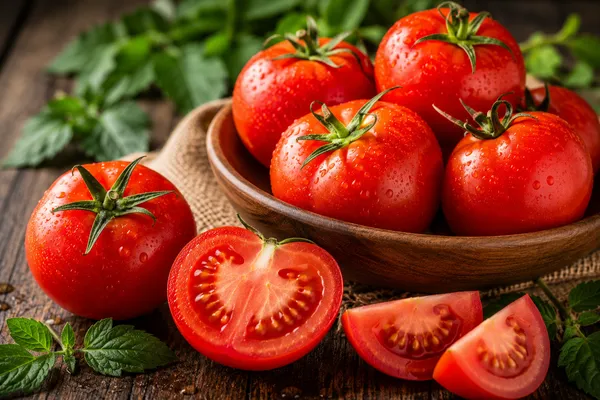
Next few hours — Bile helps absorb fats. If you also ate tomato, carrot, or spinach, avocado fat can improve carotenoid absorption versus a fat-free salad.
Fullness — Many people stay satisfied longer than after a refined carb snack of the same volume.
Over days — Daily half portions can raise produce quality in a US diet. Daily oversized toast plates can raise total calories without “healthy” labels protecting you.
Avocado benefits without the hype
Avocado for heart health
Is avocado good for heart health? It fits patterns that replace saturated fat with unsaturated plant fats—language aligned with American Heart Association–style guidance. Some feeding studies and reviews find favorable lipid shifts when avocado replaces less healthy foods. That is not the same as curing high cholesterol. Keep meds, labs, and clinician advice in the loop.
Avocado for weight loss
Is avocado good for weight loss? Sometimes, as a measured swap for ultra-processed snacks. Fat and fiber support fullness. Avocado for weight loss fails when “healthy toast” becomes a daily 600-calorie stack. Track the whole plate if the scale stalls.
Avocado for skin
Avocado for skin marketing often highlights vitamin E, healthy fats, and “glow.” Eating avocado can support overall nutrient intake that includes fats helpful for absorbing carotenoids from salads. That does not mean avocado toast clears acne or replaces dermatology care. Topical DIY avocado masks are separate from eating avocado—and kitchen experiments are not medical treatments. Prioritize sunscreen, sleep, and a balanced diet over any single fruit.
Avocado for gut health
Many US adults fall short on fiber. Avocado’s several grams per half fruit help. Pair with oatmeal, beans, or vegetables for a fuller fiber day—not avocado alone as a gut “cleanse.”
Avocado potassium and blood pressure
Avocado potassium supports produce-rich patterns linked with better blood-pressure eating styles (think DASH-style overall diets). It does not replace blood-pressure medication.
Avocado toast calories and guacamole reality
Home avocado toast — One modest bread slice + ⅓–½ avocado is often a reasonable breakfast. Oil drizzle, feta, eggs, and bacon stack fast.
Restaurant toast — Frequently 500+ calories. Enjoy it; just do not assume it is “light.”
Guacamole nutrition — Base recipe (avocado, lime, onion, tomato, cilantro) is strong. Salt and fried chips rewrite the math. Pair guac with vegetables or a measured chip serving.
How much avocado per day?
For most healthy US adults:
Target: ⅓–½ medium fruit per day (or the same amount split across meals)
Athletes / higher energy needs: more is fine if total calories fit
Kidney disease or potassium limits: ask your clinician before daily large servings
Can you eat avocado every day? Yes for most people, in measured amounts.
Who should be careful
Latex-fruit syndrome / avocado allergy — Oral itching, swelling, or worse; avoid and seek allergy care.
Advanced kidney disease — Potassium may be restricted.
Tight calorie budgets — Use spoons of mash, not automatic whole fruit, until portions feel automatic.
Practical US kitchen tips
Mash on whole-grain toast with egg white or a whole egg for protein balance.
Cube into salads with tomato and greens so fat works for nutrient absorption.
Swap some mayo or creamy dressings for mashed avocado.
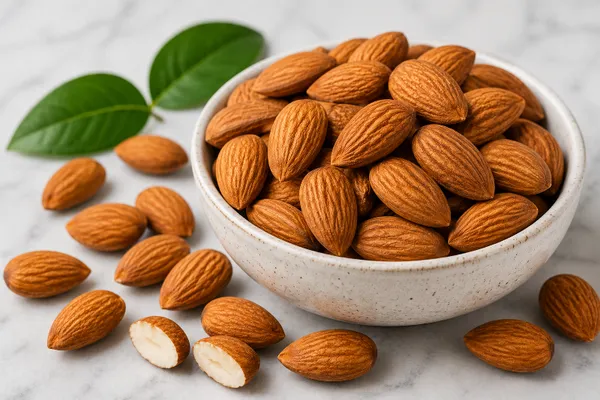
Pair with almonds only if you still have room for calories—both are energy-dense.
Store cut avocado with lemon or lime juice and wrap tightly; use within a day or two.
Bottom line
What happens if you eat avocado every day in a US kitchen is straightforward: you get creamy monounsaturated fat, fiber, and potassium in a produce package that supports heart-friendly patterns when portions stay honest. Use half-fruit servings, watch toast and guac extras, and treat avocado as a smart food—not a free pass or a medical treatment.
Frequently asked questions
What happens if you eat avocado every day?
+
Most healthy adults absorb monounsaturated fat, fiber, potassium, and folate. A daily half fruit is common. Benefits track with overall diet quality and portion size—not unlimited avocado toast.
Avocado can increase fullness from fat and fiber, which may help some people eat fewer refined snacks. It is still calorie-dense. Weight loss requires a sustainable calorie deficit; measure portions if progress stalls.
About one-third to one-half medium Hass avocado is a practical daily target for many US adults. Adjust for calorie needs, activity, and medical potassium limits.
A whole medium avocado is often around 200–250+ calories depending on size. Large restaurant avocados can be higher—check weight when tracking closely.
Replacing saturated fat–heavy foods with avocado can support healthier LDL patterns for some people. Avocado does not replace prescribed lipid medication or clinician care.
Avocado fits heart-friendly US dietary patterns that emphasize unsaturated plant fats, fiber, and produce. Heart risk still depends on blood pressure, smoking, activity, weight, and medical treatment.
Toast calories vary widely. A thick slice of bread plus half an avocado may land near 250–350 calories before oil, cheese, eggs, or bacon. Restaurant versions often exceed 500.
Guacamole based on avocado, lime, onion, and tomato can be a nutrient-dense dip. Chips, salt, sour cream, and huge restaurant bowls change the story—portion the dip and the chips.
Botanically avocado is a fruit (a single-seed berry). In US meals it is often used like a vegetable topping or spread.
Can people with diabetes eat avocado?
+
Avocado is low in sugar and higher in fat and fiber, so many diabetes meal plans include measured portions. Pair with protein and non-starchy vegetables; personalize with glucose data and your care team.
People with avocado or latex-fruit allergy should avoid it. Those with advanced kidney disease may need potassium limits. Everyone else mainly needs portion awareness.
References
Sources used in this explainer. External links open in a new tab.

 Evidence: Strong
 Evidence: Moderate
 Evidence: Strong
 Evidence: Strong
 Evidence: Strong
 Evidence: Strong