What happens in your body when you eat lemon or drink lemon water—vitamin C, citric acid, fiber from pulp, hydration habits, enamel and reflux risks, weight-loss myths, and realistic daily use for people in the United States.
When you eat lemon pulp or drink lemon water, your body absorbs vitamin C and natural citric acid while small amounts of fiber come mainly from the flesh and membranes—not from strained juice alone. Lemon can support produce-rich, lower-sugar beverage swaps when it replaces soda, but it does not “alkalize” your blood, melt fat, or detox the liver. Daily culinary lemon is safe for most healthy US adults; watch tooth enamel erosion, heartburn, and citrus allergy, and prefer whole-food patterns over extreme lemon-water challenges.
Key takeaways
The essentials in plain language—useful before the deep dive.
✓
Lemons are a concentrated vitamin C source; one medium fruit covers a large share of daily needs for many adults.
✓
Lemon water can be a smart soda swap for hydration—without magical detox or fat-burning powers.
✓
Citric acid can erode tooth enamel over time; use a straw for frequent lemon drinks and rinse with plain water after.
✓
Whole lemon pulp and zest add more plant compounds and fiber than strained juice alone.
✓
Benefits track with overall produce intake and diet quality—not a single morning lemon ritual.
✓
People with reflux, citrus allergy, or sensitive teeth should personalize amounts and forms.
Quick answers
Short answers to common questions—details follow below.
Can you eat lemon every day?
Yes for most healthy people in food amounts or diluted lemon water. Watch teeth and reflux, and skip extreme multi-lemon rituals.
Is lemon water healthy?
It can be—if it replaces sugary drinks and you protect enamel. It is not a detox or fat-burning formula.
Does lemon water help you lose weight?
Only indirectly by replacing higher-calorie drinks and supporting meal flavor. Lemon itself has almost no fat-burning magic.
Vitamin C supports normal immune function. Lemon helps you meet vitamin C needs; it does not make you immune to colds.
Whole lemon or juice only?
Pulp and washed zest add more fiber and plant compounds than clear juice alone. Both can fit a healthy kitchen.
When is the best time to drink lemon water?
Whenever you will consistently choose it over sugary drinks. Morning is a habit cue, not a metabolic requirement.
How much lemon per day is safe?
About half to one lemon’s juice daily is a common culinary range for healthy adults. More acid raises enamel and reflux risk.
What happens over time
A typical timeline after eating Lemon—not a personal medical forecast. Individual responses vary.
◉
0–15 minutes
Step 1 Evidence: Strong
First sips or bites
What happens: Citric acid and aromatic oils hit taste buds and stimulate saliva. If you drink lemon water, fluid begins hydration; if you eat pulp, fiber membranes slow the swallow versus juice alone.
Why: Acid and bitter-aromatic compounds drive the sensory response people associate with “cleansing,” which is taste and saliva—not blood detox.
Pattern certainty: typical
Caution: Frequent acid exposure without rinsing can stress tooth enamel over months and years.
⬡
30 minutes–2 hours
Step 2 Evidence: Strong
Digestion and absorption
What happens: Vitamin C and natural sugars absorb in the small intestine. Citric acid is metabolized like other food acids; your blood pH stays tightly regulated by lungs and kidneys.
Why: The “alkaline ash” marketing story confuses food chemistry after digestion with blood pH physiology.
Pattern certainty: typical
Caution: People with GERD may feel more heartburn after large acidic drinks, especially on an empty stomach.
◎
Several hours–24 hours
Step 3 Evidence: Moderate
Gut transit
What happens: Lemon’s fiber is modest per fruit; zest and pulp contribute more than filtered juice. Some people notice looser stools with large juice volumes—not a medical cleanse.
Why: Fluid load and osmotic effects of juice can speed transit more than “toxins leaving.”
Pattern certainty: variable
▦
1 week–1 month
Step 4 Evidence: Moderate
Daily hydration habit
What happens: Replacing sugar-sweetened drinks with water plus lemon can cut liquid calories and improve overall beverage quality for many Americans.
Why: The win is usually what lemon water replaces—not a unique lemon hormone effect.
Pattern certainty: variable
◈
Months to years
Step 5 Evidence: Strong
Longer-term pattern
What happens: Regular citrus intake contributes to vitamin C adequacy and fits fruit-forward patterns linked with better diet quality. Extreme lemon challenges add enamel and reflux risk without proven extra disease prevention.
Why: Population benefits reflect overall produce patterns, not lemon-only rituals.
Pattern certainty: typical
◉
0–15 minutes
Evidence: Strong
First sips or bites
What: Citric acid and aromatic oils hit taste buds and stimulate saliva. If you drink lemon water, fluid begins hydration; if you eat pulp, fiber membranes slow the swallow versus juice alone.
Why: Acid and bitter-aromatic compounds drive the sensory response people associate with “cleansing,” which is taste and saliva—not blood detox.
Caution: Frequent acid exposure without rinsing can stress tooth enamel over months and years.
⬡
30 minutes–2 hours
Evidence: Strong
Digestion and absorption
What: Vitamin C and natural sugars absorb in the small intestine. Citric acid is metabolized like other food acids; your blood pH stays tightly regulated by lungs and kidneys.
Why: The “alkaline ash” marketing story confuses food chemistry after digestion with blood pH physiology.
Caution: People with GERD may feel more heartburn after large acidic drinks, especially on an empty stomach.
◎
Several hours–24 hours
Evidence: Moderate
Gut transit
What: Lemon’s fiber is modest per fruit; zest and pulp contribute more than filtered juice. Some people notice looser stools with large juice volumes—not a medical cleanse.
Why: Fluid load and osmotic effects of juice can speed transit more than “toxins leaving.”
▦
1 week–1 month
Evidence: Moderate
Daily hydration habit
What: Replacing sugar-sweetened drinks with water plus lemon can cut liquid calories and improve overall beverage quality for many Americans.
Why: The win is usually what lemon water replaces—not a unique lemon hormone effect.
◈
Months to years
Evidence: Strong
Longer-term pattern
What: Regular citrus intake contributes to vitamin C adequacy and fits fruit-forward patterns linked with better diet quality. Extreme lemon challenges add enamel and reflux risk without proven extra disease prevention.
Why: Population benefits reflect overall produce patterns, not lemon-only rituals.
Nutrient snapshot
Serving size: 1 medium lemon (~58 g edible fruit, without peel waste)
At a glance
Calories
17 kcal
Protein
0.6 g
Fat
0.2 g
Carbs
5.4 g
Fiber
1.6 g
Sugar
1.5 g
Vitamin highlights
Vitamin C ~31 mg 34% DV
Folate ~6 mcg 2% DV
Vitamin B6 ~0.05 mg 3% DV
Minerals
Potassium ~80 mg 2% DV
Calcium ~15 mg 1% DV
Magnesium ~5 mg 1% DV
% Daily Value based on a general 2,000-calorie reference diet where shown. Values are approximate.
Source: USDA FoodData Central (approximate values for raw lemon; edible portion)
Benefits
Potential upsides when this food fits a balanced pattern—not guaranteed outcomes for every person.
Strong vitamin C density
Evidence: Strong
One medium lemon provides roughly a third of the daily vitamin C value for many adults, supporting normal collagen formation and immune cell function when overall diet meets needs.
Lemon water can replace soda, sweet tea, or juice cocktails, cutting added sugar while keeping flavor—aligned with public-health advice to reduce sugar-sweetened beverages.
Citrate from citrus is sometimes discussed in kidney-stone prevention diets under medical supervision. This is individualized clinical nutrition—not a DIY cure for all stone types.
How confident we are in key claims—and why that grade was assigned.
Evidence: Strong
Lemon is a reliable food source of vitamin C with a well-known nutrient profile.
Why this grade: USDA composition data consistently show high vitamin C density relative to calories in citrus fruits.
Evidence: Strong
Replacing sugar-sweetened beverages improves diet quality for many Americans.
Why this grade: WHO and AHA guidance targets free sugars; lemon water is a flavor strategy, not a drug.
Evidence: Strong
Lemon does not detox your liver or change blood pH toward “alkaline.”
Why this grade: Basic human physiology: liver and kidneys manage detoxification and acid-base balance.
Evidence: Moderate
Dietary acids including citrus can contribute to dental erosion with frequent exposure.
Why this grade: Dental organizations warn about acidic drinks; practical mitigation steps are standard advice.
Risks & downsides
Balanced context—not scare headlines. Dose, preparation, and personal health history all matter.
Tooth enamel erosion
Frequent lemon juice or lemon water bathes teeth in acid. Over time that can wear enamel. Strategies: dilute well, use a straw, do not brush immediately after, rinse with plain water.
Flavor remains valuable even if vitamin C drops slightly with cooking.
Pros
+
Softens sharpness in sauces and roasting
+
Pairs with vegetables and fish
Cons
−Heat reduces some vitamin C
Bottled lemon juice
Still provides citric acid and some vitamin C; fresh is preferred when available.
Pros
+
Convenient pantry backup
Cons
−Flavor less bright than fresh
−Check labels for additives
Sweetened lemonade
Treat like other sugary drinks—not a daily health tonic.
Pros
+
Occasional treat flavor
Cons
−Often high added sugar
How much & how often
For most healthy US adults, the juice of about half to one lemon per day in food or diluted water is a practical culinary range. One medium lemon (~17 kcal edible portion) is a small calorie add. If you drink lemon water often, dilute it, consider a straw, and rinse with water afterward. There is no evidence-based need for multi-lemon ‘challenges.’ People with reflux, enamel issues, or medical diets should personalize with a clinician or registered dietitian.
Lemon’s vitamin C content and food composition are well established. Public-health guidance strongly supports cutting sugar-sweetened drinks; lemon water can help as a flavor vehicle. Detox, alkalizing, and dramatic fat-loss claims are not supported by human physiology or high-quality trials. Enamel erosion from dietary acids is a recognized dental concern. Clinical citrate use for stones is condition-specific.
Evidence in this article
Food composition data
USDA nutrient profiles for raw lemon and lemon juice.
Micronutrient physiology
NIH fact sheets on vitamin C roles and UL considerations.
Public health beverage guidance
WHO and AHA positions on free sugars and sugar-sweetened beverages.
Dental and clinical nutrition literature
Acid erosion guidance and citrate-related stone diet discussions.
Hierarchy of evidence
1
Systematic reviews & guidelines
Highest synthesis
2
Randomized trials
Strong causal designs
3
Observational studies
Association signals
4
Mechanistic / lab
Hypothesis-generating
Higher on this list generally means stronger confidence for public guidance—but every design has limits.
Research limitations
Many “lemon water” claims come from marketing blogs, not controlled trials.
Vitamin C cold-prevention myths persist despite nuanced evidence.
Serving sizes online often ignore lemonade sugar loads.
Zest safety depends on wash quality and wax coatings on some commercial fruit.
Common myths
Claims you may have heard—explained with evidence, not scare tactics.
Claim
“Lemon water detoxes your liver every morning”
False Evidence: Strong
Your liver continuously processes metabolites. Lemon water hydrates and flavors; it does not run a special detox cycle.
Claim
“Lemon melts belly fat”
False Evidence: Strong
No citrus fruit selectively burns abdominal fat. Weight change requires overall energy balance.
Claim
“Lemon makes your body alkaline so disease cannot survive”
False Evidence: Strong
Blood pH is tightly regulated. Disease prevention is not achieved by “alkaline” lemon water marketing.
Claim
“Lemon water is always better than plain water”
Misleading Evidence: Moderate
If lemon helps you drink more fluid or skip soda, useful. If it damages enamel or triggers reflux, plain water may be better.
Claim
“More lemons mean stronger immunity”
Misleading Evidence: Moderate
Once vitamin C needs are met, extra lemon does not linearly boost immunity and may increase acid-related downsides.
In depth
The short story
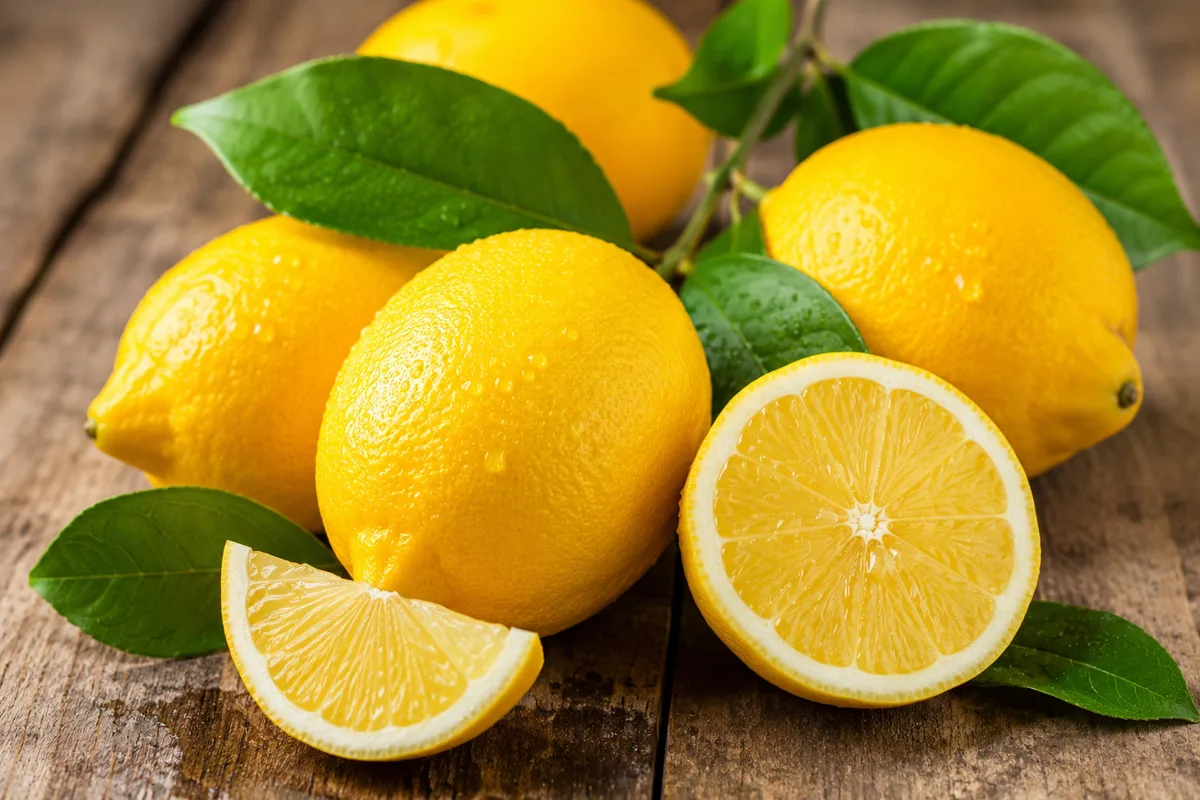
Lemon is one of the most searched “healthy foods” in the United States—and one of the most oversold. A lemon is a tart citrus fruit packed with vitamin C and citric acid. Squeeze it into water, dress a salad, or finish roasted vegetables and you get bright flavor with almost no calories. What you do not get is a detox cleanse, an alkaline blood makeover, or a guaranteed flat stomach.
What happens when lemon hits your mouth
Citric acid makes saliva flow and wakes up your taste buds. That “clean” feeling people describe is mostly sensory. If you drink lemon water, you are mainly drinking water—the healthiest baseline beverage—plus a little vitamin C and aroma. If you eat pulp, you also get a modest amount of fiber from membranes.
Lemon vitamin C without the cold-cure myth
Vitamin C is essential for collagen and normal immune cell function. One medium lemon can supply a solid share of a typical adult’s daily vitamin C target. That does not mean lemon water prevents every cold in a US winter. Once your overall diet meets vitamin C needs, piling on more lemon has diminishing returns and more acid exposure.
Lemon for skin
Lemon for skin is one of the most oversold kitchen myths. Vitamin C supports normal collagen pathways in the body when your diet meets needs—but drinking lemon water does not bleach dark spots, erase wrinkles, or replace sunscreen. Rubbing lemon juice on skin can irritate and raise sun-sensitivity risk for some people. Prefer dietary citrus as food flavor, not as a dermatology substitute.
Lemon water in the morning—habit vs magic
Morning lemon water is popular because it is a simple ritual. As a habit cue to hydrate and skip soda, it can help. As a special metabolic window that only works at 7 a.m., it is marketing. Drink it when you will stick with it—and when your teeth and stomach tolerate it.
Lemon for weight loss
Unsweetened lemon water is essentially a flavored zero-to-low calorie drink. It may support weight goals if it replaces 12-ounce sodas, sweet coffeedrinks, or juice blends. The lemon wedge did not “melt fat.” Energy balance and overall diet still rule.
Whole lemon, zest, juice, and lemonade
Form
Practical role
Main caution
Fresh juice diluted in water
Daily flavor for hydration
Enamel if sipped constantly
Pulp / segments
Salads, more fiber
Strong acid for mouth sores
Washed zest
Aroma in cooking
Wash waxed fruit well
Bottled juice
Convenience
Flavor trade-off
Sweet lemonade
Occasional treat
Added sugar
Teeth and reflux—read this if you sip daily
American dental guidance treats dietary acids seriously. Frequent lemon drinks can contribute to enamel erosion. Practical steps: dilute, use a straw, do not brush immediately after acid, rinse with plain water. If you have GERD, large acidic morning drinks may be a trigger—smaller amounts with meals often feel better.
How much lemon per day?
For most healthy adults, juice of about half to one lemon daily in food or water is a sustainable culinary range. That is enough for flavor and vitamin C contribution without turning breakfast into an acid bath. Extreme multi-lemon challenges are unnecessary for health.
Practical US kitchen ideas
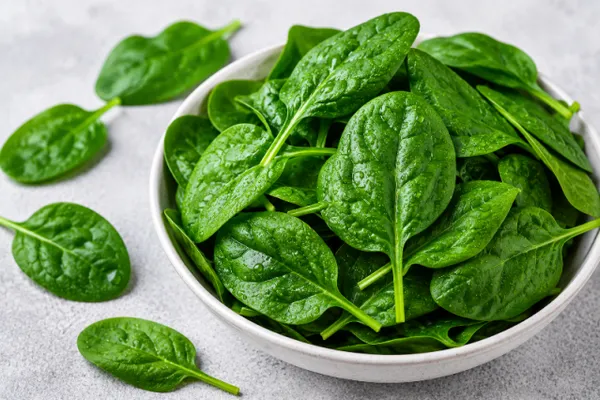
Squeeze lemon over spinach, beans, fish, or roasted vegetables instead of heavy dressings.
Pair citrus brightness with garlic in savory pans.
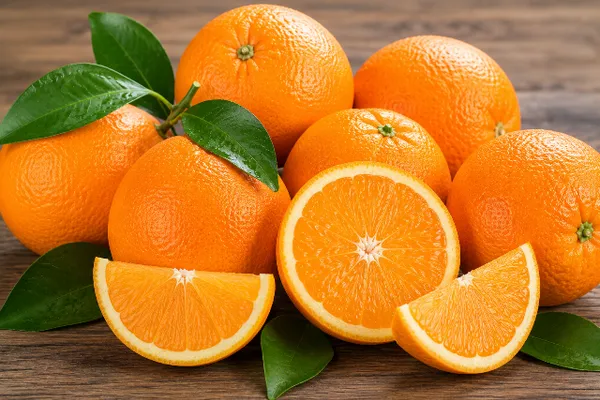
Compare citrus options with oranges for sweeter vitamin C snacks.
Keep lemonade as a treat; keep lemon water unsweetened for daily use.
Wash lemons before zesting; use only the yellow outer peel for most recipes.
Bottom line
Eating lemon or drinking unsweetened lemon water is a simple, evidence-aligned way to add vitamin C and flavor to an American diet. Use it to support hydration and vegetable-forward meals—not as a detox product. Protect your enamel, respect reflux, and let overall diet quality do the heavy lifting for long-term health.
Frequently asked questions
What happens if you drink lemon water every day?
+
You mainly get flavored hydration and vitamin C with very few calories if unsweetened. Over months, the biggest risk for frequent sippers is tooth enamel wear unless you dilute, use a straw, and rinse with water.
Reliable benefits include vitamin C contribution, culinary flavor that supports vegetable-rich meals, and helping some people drink fewer sugar-sweetened beverages. Detox and fat-burn claims are not proven.
It may feel refreshing and stimulate saliva and taste. It is not a treatment for IBS, constipation disorders, or “slow metabolism.” Fiber-rich meals and fluids overall matter more.
Is lemon good for skin?
+
Adequate vitamin C supports normal collagen pathways from the inside. Rubbing lemon on skin can irritate and is not a dermatology treatment.
No strong evidence that lemon alone treats hypertension. Heart-healthy patterns (less sodium, more produce, healthy weight) matter; follow medical care for high blood pressure.
Including pulp and some zest generally provides more fiber and peel-associated compounds than filtered juice. Both can fit; avoid assuming lemonade equals whole fruit.
Small amounts of lemon are low calorie and low sugar compared with many fruits. Sweetened lemonade is different. Use personal glucose data and clinician advice for overall fruit and beverage choices.
Does heating lemon destroy all vitamin C?
+
Heat reduces vitamin C somewhat, but cooked lemon still flavors food. Fresh juice added at the end of cooking preserves more vitamin C when that is the goal.
Fresh usually tastes brighter. Bottled juice is still useful and provides citric acid; check labels and prefer brands without unwanted additives when possible.
Can lemon water make you poop?
+
Extra fluid can support regularity. Large acidic drinks may loosen stools for some people. Persistent changes deserve medical evaluation—not endless lemon dosing.
How should I protect my teeth if I love lemon water?
+
Dilute the juice, drink with a straw, avoid swishing, wait before brushing, and rinse with plain water. Ask your dentist if you have erosion already.
They are a sweeter hybrid with similar citrus virtues. Choose for taste; differences are smaller than the gap between unsweetened lemon water and sugary lemonade.
Bottom line
Should you eat lemon?
Should you eat it?
Yes—for most healthy people, lemon is a smart, low-calorie flavor and vitamin C tool.
Who benefits most?
Anyone swapping out sugary drinks, cooking more vegetables, or building citrus into a produce-rich US diet.
How much?
About half to one lemon per day in food or diluted water is a practical range.
Main caution
Protect tooth enamel, respect reflux triggers, and ignore detox/weight-loss hype.
Use lemon to make healthy meals and water more appealing—not as a miracle cleanse—and keep the rest of your diet, sleep, and medical care in the picture.
References
Sources used in this explainer. External links open in a new tab.

 Evidence: Strong
 Evidence: Strong
 Evidence: Strong
 Evidence: Moderate
 Evidence: Strong
 Evidence: Moderate