What happens in your body when you drink coffee—caffeine absorption, alertness, sleep timing, anxiety, blood pressure, black coffee nutrition, pregnancy limits, and realistic daily use for people in the United States.
When you drink coffee, caffeine is absorbed within about 45 minutes and often peaks between 15 and 120 minutes. It blocks adenosine receptors, which is why many people feel more awake. Effects depend on dose, tolerance, genetics, and timing relative to sleep. Plain black coffee is nearly calorie-free; sugar, syrups, and cream change that fast. Coffee is not a substitute for sleep or medical care, and pregnancy and anxiety contexts need personalized limits.
Key takeaways
The essentials in plain language—useful before the deep dive.
✓
Coffee benefits for most healthy adults center on alertness and a low-calorie drink when served black—not unlimited energy or a medical treatment.
✓
A typical 8 oz cup of brewed coffee often provides roughly 80–100 mg caffeine; espresso shots and cold brew vary widely.
✓
Timing matters: late-day coffee commonly disrupts sleep because caffeine's half-life is long for many people.
✓
Genetics and daily tolerance change how hard coffee hits—same cup, different response.
✓
Black coffee nutrition is almost zero calories; lattes, syrups, and creamers can rival dessert.
✓
Pregnancy, anxiety, insomnia, reflux, and some heart symptoms need personalized caffeine limits with a clinician.
Quick answers
Short answers to common questions—details follow below.
What happens if you drink coffee every day?
Most regular drinkers get a predictable caffeine effect—more alertness, possible sleep risk if timed late, and tolerance that can blunt the “buzz.” Daily black coffee is common and fine for many healthy adults within personal limits.
How much caffeine is in a cup of coffee?
Brewed drip coffee often provides roughly 80–100 mg per 8 oz cup, but strength varies. Espresso is concentrated per ounce; large café cups multiply totals quickly.
Is coffee good for you?
For many healthy adults, moderate coffee fits a normal diet and may accompany favorable long-term patterns in observational research. Benefits do not override poor sleep, high sugar drinks, or medical limits.
Is coffee bad for you?
Problems usually come from excess caffeine, late timing, anxiety sensitivity, reflux, pregnancy limits, or calorie-heavy café drinks—not from a single black cup by default.
Does coffee dehydrate you?
Moderate coffee still counts toward fluid intake for most people. It is a mild diuretic in some contexts, but not typically dehydrating like ignoring water all day.
When should you stop drinking coffee for better sleep?
Many adults need a 6–8 hour buffer before bedtime. Sensitive sleepers may need a longer cutoff or morning-only coffee.
What happens over time
A typical timeline after eating Coffee—not a personal medical forecast. Individual responses vary.
●
0–15 minutes
Step 1 Evidence: Strong
First sips
What happens: Caffeine begins absorbing in the stomach and small intestine. Warmth, aroma, and ritual can add a perceived boost before full blood levels rise.
Pattern certainty: typical
●
30–120 minutes
Step 2 Evidence: Strong
Peak alertness window
What happens: Blood caffeine often rises toward a peak; adenosine blockade increases wakefulness and may improve focus or reaction time for many people.
Pattern certainty: typical
●
Hours later
Step 3 Evidence: Strong
Afternoon and evening
What happens: Caffeine can still be active many hours after the last cup. Late coffee commonly delays sleep onset or reduces sleep quality.
Pattern certainty: typical
●
Days to weeks
Step 4 Evidence: Strong
Daily pattern
What happens: Regular drinkers develop tolerance. The same dose may feel milder, which can push larger servings—or earlier cutoffs for better sleep.
Pattern certainty: typical
●
0–15 minutes
Evidence: Strong
First sips
What: Caffeine begins absorbing in the stomach and small intestine. Warmth, aroma, and ritual can add a perceived boost before full blood levels rise.
●
30–120 minutes
Evidence: Strong
Peak alertness window
What: Blood caffeine often rises toward a peak; adenosine blockade increases wakefulness and may improve focus or reaction time for many people.
●
Hours later
Evidence: Strong
Afternoon and evening
What: Caffeine can still be active many hours after the last cup. Late coffee commonly delays sleep onset or reduces sleep quality.
●
Days to weeks
Evidence: Strong
Daily pattern
What: Regular drinkers develop tolerance. The same dose may feel milder, which can push larger servings—or earlier cutoffs for better sleep.
Nutrient snapshot
Serving size: 1 cup brewed coffee (~240 ml), black
At a glance
Calories
2 kcal
Protein
0.3 g
Fat
0 g
Carbs
0 g
Fiber
0 g
Sugar
0 g
Minerals
Potassium ~116 mg
Magnesium ~7 mg
% Daily Value based on a general 2,000-calorie reference diet where shown. Values are approximate.
Source: USDA FoodData Central (approximate values for brewed coffee, black)
Benefits
Potential upsides when this food fits a balanced pattern—not guaranteed outcomes for every person.
Short-term alertness and reaction time
Evidence: Strong
Moderate caffeine reliably supports wakefulness and can improve simple reaction time and vigilance in many adults, including when mildly sleep-deprived—not a replacement for sleep.
Black coffee adds almost no calories, so it can fit weight-management patterns when it replaces sugary drinks—not when every cup becomes a large flavored latte.
Coffee contributes plant polyphenols in many US diets. Long-term observational links with some favorable health markers are interesting but not proof that coffee alone prevents disease.
Caffeine can raise blood pressure transiently in some people. Those with uncontrolled hypertension or arrhythmia symptoms should personalize with a clinician.
Educational context only—not a diagnosis tool. When in doubt, ask a qualified clinician.
!
Pregnancy and trying to conceive (discuss limits)
Many US guidelines discuss limiting total caffeine—often around 200 mg/day as a common counseling figure. Confirm with your obstetric clinician.
!
Anxiety disorders, panic symptoms, or chronic insomnia
Even moderate caffeine may worsen symptoms; trial reduction with clinician guidance.
!
Uncontrolled high blood pressure or concerning palpitations
Personalize caffeine with your clinician before relying on multiple daily cups.
!
Children and teens
Many expert groups recommend limiting or avoiding caffeine; prioritize sleep and age-appropriate drinks.
How much & how often
For most healthy US adults, about 3–4 cups of typical brewed coffee (often landing near 300–400 mg caffeine/day as a common upper discussion range in healthy non-pregnant adults) is a frequent reference—but cup size and brew strength vary. Start lower if you are sensitive. Stop 6–8+ hours before bedtime if sleep suffers. Pregnancy: follow your clinician’s caffeine limit. Prefer measured home brews over guessing large café cups.
Caffeine’s pharmacology is well established (adenosine antagonism, absorption timing, half-life variability). Controlled studies support alertness effects. Observational research often associates moderate coffee intake with favorable long-term markers, but confounding (lifestyle, smoking history, preparation methods) limits causal claims. Sleep disruption from late caffeine is strongly supported. Pregnancy limits come from public-health and obstetric counseling guidance rather than coffee-as-medicine marketing.
Evidence in this article
Pharmacology and controlled trials
Caffeine absorption, alertness, and performance endpoints.
Sleep research
Timing of caffeine relative to bedtime and sleep quality.
Observational cohorts
Habitual coffee intake and long-term health markers.
Public health guidance
Caffeine upper ranges and pregnancy counseling points.
Hierarchy of evidence
1
Systematic reviews & guidelines
Highest synthesis
2
Randomized trials
Strong causal designs
3
Observational studies
Association signals
4
Mechanistic / lab
Hypothesis-generating
Higher on this list generally means stronger confidence for public guidance—but every design has limits.
Research limitations
“One cup” sizes range from ~6 oz home mugs to 20+ oz café drinks.
Roast, brew method, and beans change caffeine content.
Genetics (e.g., caffeine metabolism) create large individual differences.
Observational coffee–disease links are not proof of cause and effect.
In depth
The short story
Coffee is America’s default focus drink. When you drink it, caffeine enters your bloodstream and blocks adenosine receptors—chemical signals that normally help you feel sleepy. That is why a morning cup can sharpen alertness, and why a late cup can still be “on” at bedtime.
Coffee benefits for everyday US life are mostly practical: a nearly zero-calorie black drink, a reliable short-term energy cue, and a social ritual. Coffee is not a sleep replacement, anxiety cure, or free pass for sugar-bomb lattes.
Black coffee nutrition facts (US cup)
Approximate values for 1 cup (~240 ml) black brewed coffee (USDA-style):
Nutrient
About
Calories
~2
Caffeine
often ~80–100 mg (varies widely)
Carbs / sugar / fat
~0
Protein
~0.3 g
Potassium
~116 mg
Black coffee calories stay tiny. Latte calories do not—milk and syrup rewrite the label.
What happens in your body
0–15 minutes — Caffeine starts absorbing; aroma and warmth can feel stimulating early.
30–120 minutes — Many people hit a stronger alertness window.
Hours later — Caffeine may still be active. Half-life often lands around 3–7 hours, with big personal variation.
Over weeks — Daily drinkers often tolerate caffeine more; the same mug feels milder unless dose or timing changes.
Coffee benefits without the hype
Alertness and work performance
Moderate caffeine can support vigilance and reaction time. That helps some morning routines and pre-workout sessions. It does not erase chronic sleep debt.
Heart and long-term patterns
Observational studies often link moderate coffee habits with mixed-to-favorable long-term markers. Preparation matters (unfiltered boiled coffee differs from paper-filtered drip). Treat coffee as a pattern piece, not medicine.
Weight management context
Swap a soda for black coffee and you may cut sugar. Swap water for daily large mocha drinks and the opposite happens. Coffee for weight loss only works inside total calories.
Sleep, anxiety, and side effects
Common coffee side effects:
Trouble falling or staying asleep
Jitters, racing thoughts, or worse anxiety
Temporary blood-pressure rise
Heartburn, especially strong coffee on an empty stomach
Restlessness if stacked with energy drinks or pre-workout powders
When to stop drinking coffee for sleep
A practical US rule of thumb: last caffeine 6–8 hours before bed. If you wake unrefreshed, try morning-only coffee for two weeks and reassess.
How much coffee per day?
Useful anchors for healthy non-pregnant adults (not medical orders):
Topic
Practical range
Common upper caffeine discussion
~400 mg/day from all sources (FDA consumer messaging)
Typical 8 oz drip cups
often ~3–4 cups to approach that range—if cups are truly ~8 oz and not café venti sizes
Sensitive people
1 cup—or switch to half-caf / earlier cutoff
Pregnancy
often counsel ~200 mg caffeine/day total—confirm with your clinician
Count tea, cola, chocolate, and energy drinks in the same budget.
Espresso, drip, cold brew, latte
Drink
What to watch
Drip / pour-over
Common home baseline; paper filters are typical in the US
Espresso
High caffeine per ounce; total depends on shot count
Cold brew
Can be strong; recipes vary—do not assume “smooth = weak”
Latte / flavored
Milk + syrup calories and sugar dominate the health story
Empty stomach, workouts, blood pressure
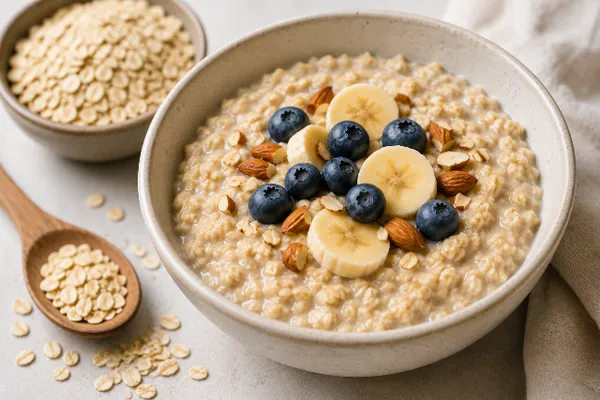
Empty stomach: fine for some, harsh for reflux-prone people—pair with eggs or oatmeal if needed.
Before workout: useful for some athletes; avoid excess if you get GI cramps.
Blood pressure: if you track hypertension, test how your readings respond after coffee.
Practical US tips
Brew at home to control strength and skip syrup defaults.
Keep a hard caffeine curfew if sleep is a goal.
Pair morning coffee with protein or fiber when energy crashes hit mid-morning—try banana or oatmeal.
If you sweeten, measure honey or sugar instead of free-pouring.
Add lemon water later in the day when you want flavor without more caffeine.
Bottom line
What happens if you drink coffee every day is mostly a caffeine story: faster wake-up, possible better short-term focus, and a real risk of sleep debt if cups run late. Keep coffee black or lightly dressed, respect pregnancy and anxiety limits, measure actual cup size, and treat coffee as a tool—not a personality or a prescription.
Frequently asked questions
What happens if you drink coffee every day?
+
Most regular drinkers get a predictable caffeine effect—more alertness, possible sleep risk if timed late, and tolerance that can blunt the “buzz.” Daily black coffee is common and fine for many healthy adults within personal limits.
Brewed drip coffee often provides roughly 80–100 mg per 8 oz cup, but strength varies. Espresso is concentrated per ounce; large café cups multiply totals quickly.
For many healthy adults, moderate coffee fits a normal diet and may accompany favorable long-term patterns in observational research. Benefits do not override poor sleep, high sugar drinks, or medical limits.
Problems usually come from excess caffeine, late timing, anxiety sensitivity, reflux, pregnancy limits, or calorie-heavy café drinks—not from a single black cup by default.
Moderate coffee still counts toward fluid intake for most people. It is a mild diuretic in some contexts, but not typically dehydrating like ignoring water all day.
Healthy non-pregnant adults often discuss staying near or under about 400 mg caffeine/day from all sources—but personal tolerance varies. Measure your actual cup size.
Caffeine can increase jitteriness, heart awareness, and panic-like symptoms in sensitive people. If anxiety worsens after coffee, reduce dose or switch to earlier, smaller servings with clinician input.
Many guidelines discuss limiting total caffeine—often around 200 mg/day as a common counseling point. Confirm with your obstetric clinician; count tea, soda, chocolate, and energy drinks too.
Some people feel fine; others get reflux, queasiness, or jittery hunger. Pair with food if your stomach protests.
Espresso vs drip caffeine?
+
Espresso is stronger per ounce, but a single shot often has less total caffeine than a large drip mug. Total milligrams matter more than the drink name.


 Evidence: Strong
 Evidence: Strong
 Evidence: Strong
 Evidence: Strong
 Evidence: Strong
 Evidence: Strong