What happens in your body when you eat honey—natural sugars, calories, cough research in older children, antioxidants in darker honeys, infant botulism risk, and realistic daily use for people in the United States.
When you eat honey, your body digests mainly glucose and fructose—natural sugars that raise blood glucose and provide about 64 calories per tablespoon. Honey is still sugar for metabolic purposes, even when labeled raw or local. Limited evidence supports honey for some coughs in children over 1 year; it is never safe for infants under 12 months because of botulism risk. Honey can replace table sugar in recipes for flavor, not as a free health food.
Key takeaways
The essentials in plain language—useful before the deep dive.
✓
Honey benefits for everyday use are mostly flavor and optional cough soothing—not free “healthy sugar.”
✓
Honey nutrition is primarily sugar (glucose + fructose) with about 64 kcal per tablespoon.
✓
Honey vs sugar is a flavor and processing difference; both count toward added sugars for most US diets.
✓
Never give honey to infants under 12 months (botulism risk).
✓
Some evidence supports honey for cough in older children and adults as a soother—not an antibiotic.
✓
Raw and local labels affect flavor more than guaranteed medical benefits; darker honeys may have more phenolics in small amounts.
Quick answers
Short answers to common questions—details follow below.
What happens if you eat honey every day?
Your body digests honey as concentrated sugar. Daily teaspoons add up in calories and carbs. Flavor benefits are real; unlimited “healthy sugar” is not.
Is honey healthier than sugar?
Honey has aroma and trace compounds sugar lacks, but both are concentrated sugars. For blood sugar and calories, treat honey vs sugar similarly.
How many calories are in a tablespoon of honey?
About 64 calories and about 17 grams of sugar per tablespoon (USDA approximate values).
Is raw honey better?
Raw usually means less filtered/heated, which some prefer for flavor. It is still sugar and still unsafe for infants under 12 months.
Does local honey cure allergies?
High-quality evidence does not support local honey as allergy immunotherapy. See an allergist for proven care.
Can honey help a cough or sore throat?
Possibly for some children over 1 year and adults as a soother. Never use honey for infant coughs because of botulism risk.
What happens over time
A typical timeline after eating Honey—not a personal medical forecast. Individual responses vary.
●
0–15 minutes
Step 1 Evidence: Strong
First taste
What happens: Concentrated sugars hit taste receptors. If taken for a cough, coating the throat may feel soothing.
Pattern certainty: typical
●
15 minutes–2 hours
Step 2 Evidence: Strong
Blood sugar rise
What happens: Glucose and fructose absorb; blood glucose rises similarly to other concentrated sugars, with individual variation.
Pattern certainty: typical
Caution: People with diabetes should count honey like other carbs.
●
Days to weeks
Step 3 Evidence: Strong
Daily pattern
What happens: Regular large servings add calories quickly. Swapping honey for sugar changes flavor more than metabolic class.
Pattern certainty: typical
●
Months to years
Step 4 Evidence: Strong
Longer-term pattern
What happens: Overall added sugar load predicts health risk more than whether sweetness came from honey or sucrose.
Pattern certainty: typical
●
0–15 minutes
Evidence: Strong
First taste
What: Concentrated sugars hit taste receptors. If taken for a cough, coating the throat may feel soothing.
●
15 minutes–2 hours
Evidence: Strong
Blood sugar rise
What: Glucose and fructose absorb; blood glucose rises similarly to other concentrated sugars, with individual variation.
Caution: People with diabetes should count honey like other carbs.
●
Days to weeks
Evidence: Strong
Daily pattern
What: Regular large servings add calories quickly. Swapping honey for sugar changes flavor more than metabolic class.
●
Months to years
Evidence: Strong
Longer-term pattern
What: Overall added sugar load predicts health risk more than whether sweetness came from honey or sucrose.
Nutrient snapshot
Serving size: 1 tablespoon (~21 g)
At a glance
Calories
64 kcal
Protein
0.1 g
Fat
0 g
Carbs
17 g
Fiber
0 g
Sugar
17 g
Minerals
Potassium ~11 mg
Calcium ~1 mg
% Daily Value based on a general 2,000-calorie reference diet where shown. Values are approximate.
Source: USDA FoodData Central (approximate values for honey)
Benefits
Potential upsides when this food fits a balanced pattern—not guaranteed outcomes for every person.
Flavorful alternative to refined sugar in cooking
Evidence: Strong
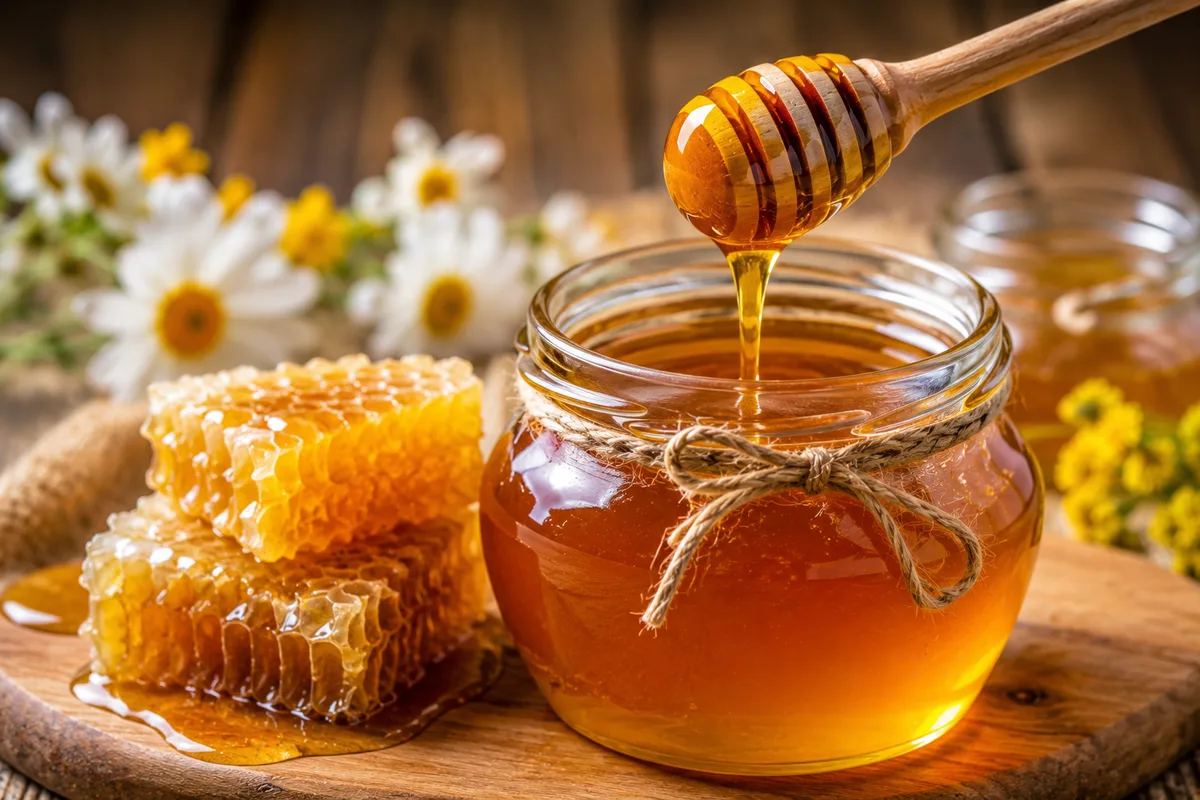
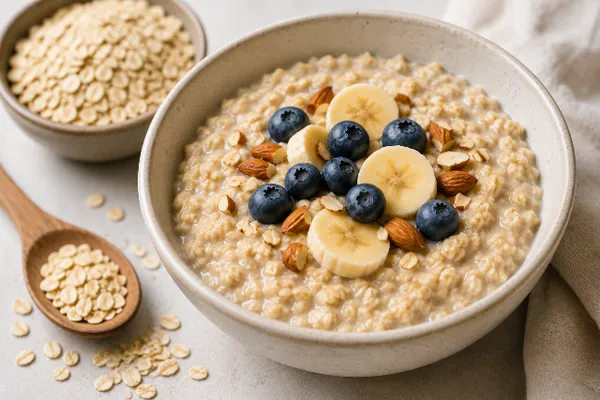
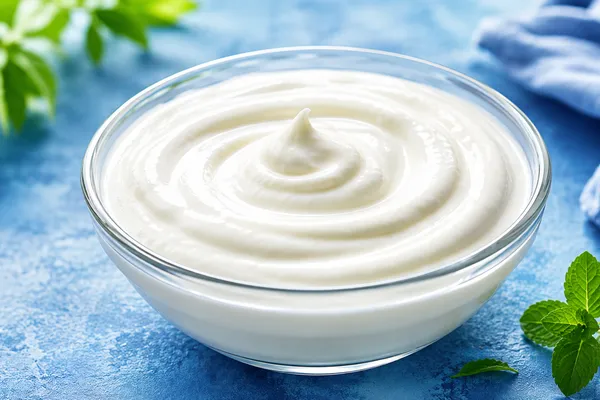
Honey can replace some table sugar in tea, yogurt, or baking for taste variety—still count the carbs and calories.
Trials suggest honey can reduce cough frequency/severity for some kids over 1 year at bedtime versus no treatment. It is not proven superior to all medicines in every study.
Sticky sugars feed oral bacteria; rinse or drink water after frequent honey use.
Allergy
Rare bee-product allergies can occur; stop if symptoms appear.
Who should limit this food
Educational context only—not a diagnosis tool. When in doubt, ask a qualified clinician.
!
Infants under 12 months
No honey in food, medicine, or pacifiers.
!
People with diabetes or insulin resistance
Count honey in carbohydrate totals; prefer clinician meal plans.
!
Known honey or bee-product allergy
Avoid and seek allergy care.
How much & how often
For most healthy US adults, honey is an optional sweetener—think teaspoons, not free-poured tablespoons all day. A common culinary swap is 1 tablespoon (about 64 kcal). Keep total added sugars within personal and public-health targets. Infants under 1 year: zero honey.
Honey’s sugar composition is clear. Public-health sugar guidance applies. Cough-related pediatric evidence is moderate for children over 1 year. Detox, unlimited “natural sugar,” and allergy-cure claims for local honey are poorly supported.
Evidence in this article
Food composition
USDA honey nutrient data.
Clinical cough trials
Pediatric and adult symptom studies.
Public health sugar guidance
WHO free sugars recommendations.
Hierarchy of evidence
1
Systematic reviews & guidelines
Highest synthesis
2
Randomized trials
Strong causal designs
3
Observational studies
Association signals
4
Mechanistic / lab
Hypothesis-generating
Higher on this list generally means stronger confidence for public guidance—but every design has limits.
Research limitations
Floral source changes composition.
“Raw” is not a medical grade.
Manuka marketing often exceeds clinical certainty for household users.
In depth
The short story
Honey tastes special. Metabolically, it is still mostly sugar. A tablespoon delivers about 64 calories and roughly 17 grams of sugar—core honey nutrition facts every US shopper should know. Your body breaks down glucose and fructose, raises blood sugar, and stores extra energy if you overeat it—whether the jar says raw, organic, or local.
Honey benefits without the hype
Real honey benefits are practical: flavor, occasional cough soothing for people over age one, and a pantry sweetener with aroma refined sugar lacks. Claims that honey “detoxes,” cures allergies, or is free for weight loss are not evidence-based.
Honey for skin
Honey for skin content often mixes food use with topical “natural face mask” tips. Eating honey adds sugar calories; it does not clear acne from the inside as a proven treatment. Some medical contexts use specific honey products on wounds under clinician care—that is not the same as DIY honey facials or unlimited spoonfuls for “glow.” If you put honey on skin, patch-test and avoid open infections without medical advice. For everyday eating, keep honey as a measured sweetener.
Honey for cough and sore throat
For children over 1 year and many adults, honey can soothe coughs better than no treatment in some studies. It is not an antibiotic. Never give honey to babies under 12 months.
Honey vs table sugar (honest table)
Honey (1 tbsp)
Table sugar (1 tbsp)
Calories
~64
~48
Main story
Flavor + trace phenolics
Pure sucrose
Infant safe?
No under 12 months
Generally not given as honey-risk, but sugar not for infants either
Honey is denser per spoon; recipes often use less by volume for similar sweetness.
How much honey per day?
Think teaspoons, not free pours. A tablespoon is about 64 calories. Keep honey inside your added-sugar budget, especially if you also drink sweet coffee or soda.
Pair tart fruit like lemon for flavor without huge pours.
Keep honey out of infant foods, bottles, and “natural” teething remedies.
Bottom line
Enjoy honey as a flavorful sweetener in small amounts. Respect the infant rule, count the carbs, and ignore claims that honey is guilt-free sugar.
Frequently asked questions
What happens if you eat honey every day?
+
Your body digests honey as concentrated sugar. Daily teaspoons add up in calories and carbs. Flavor benefits are real; unlimited “healthy sugar” is not.
Manuka is a specialty honey with unique marketing and grading. For everyday sweetness, regular culinary honey is enough; medical-grade claims need clinician context.
How much honey per day?
+
Keep to small culinary amounts within your added-sugar budget. There is no need for daily large doses for health.

 Evidence: Strong
 Evidence: Moderate
 Evidence: Strong
 Evidence: Strong
 Evidence: Strong
 Evidence: Strong