What happens in your body when you eat garlic—allicin formation, digestion, heart and immune context, blood pressure research, breath and gut side effects, raw vs cooked trade-offs, and realistic daily use for people in the United States.
When you crush or chew raw garlic, plant enzymes form sulfur compounds such as allicin that create the sharp smell and much of garlic’s researched bioactivity. Your body digests these compounds alongside small amounts of fiber, vitamin C, manganese, and B vitamins. Regular culinary garlic can support produce-rich, heart-friendly eating patterns studied for blood pressure and cholesterol—without curing infections, replacing medicine, or guaranteeing immunity. Crushing garlic and waiting a few minutes before cooking may preserve more of these compounds; very large raw doses raise heartburn, breath, and bleeding-risk concerns for some people.
Key takeaways
The essentials in plain language—useful before the deep dive.
✓
Crushing or chopping raw garlic starts the allicin-forming reaction that drives much of garlic’s researched chemistry.
✓
Culinary garlic fits heart- and produce-forward US eating patterns studied for blood pressure and cholesterol—not as a drug substitute.
✓
One to two cloves in meals is a practical daily range for most healthy adults; megadoses are not more “natural medicine.”
✓
Raw garlic is more pungent and bioactive for some pathways; cooking softens flavor and can reduce heat-sensitive compounds.
✓
Watch for heartburn, bad breath, body odor, and bleeding-risk contexts (surgery, anticoagulants)—personalize with a clinician.
✓
Whole food garlic beats miracle supplements in everyday meal quality; aged extracts are a different product with their own evidence.
Quick answers
Short answers to common questions—details follow below.
Can you eat garlic every day?
Yes—for most healthy adults, daily culinary garlic (about 1–2 cloves in meals) is reasonable. Stop or reduce if reflux, pain, or clinician advice says otherwise.
Is garlic healthy?
Yes as a flavorful vegetable seasoning with researched sulfur compounds. It supports meal quality; it is not a cure-all or antibiotic replacement.
What is the best serving of garlic?
One to two cloves cooked into meals is a practical US kitchen range. Crush and rest raw garlic briefly before cooking when you want more pungent chemistry.
Who should limit garlic?
People with allium allergy, significant reflux from raw garlic, IBS triggered by garlic, bleeding risk, upcoming surgery, or interacting medications should personalize with a clinician.
Does garlic help with colds?
Evidence is mixed and mostly about supplements. Food garlic may fit a healthy diet but will not reliably prevent or cure colds.
Raw or cooked garlic—which is better?
Raw maximizes pungent sulfur chemistry for some people; cooked is easier on taste and stomach. Many recipes combine both strategies (crush, wait, then gentle cook).
Is garlic good for blood pressure?
Some research shows modest average reductions with garlic preparations. Do not stop blood-pressure medication for garlic; use it as food support inside medical care.
How much garlic per day is safe?
Culinary amounts are safe for most people. Problems rise with large raw loads and high-dose supplements—especially near surgery or with blood thinners.
What happens over time
A typical timeline after eating Garlic—not a personal medical forecast. Individual responses vary.
◉
0–30 minutes
Step 1 Evidence: Strong
Crush, chop, and first bites
What happens: Cutting or crushing raw garlic mixes the enzyme alliinase with alliin, forming allicin and related sulfur compounds. Chewing releases the sharp taste and aroma while small amounts of carbs and micronutrients enter digestion.
Why: Cell damage is required for the classic garlic chemistry pathway; whole uncut cloves form little allicin until damaged.
Pattern certainty: typical
Caution: Letting crushed garlic rest a few minutes before high heat may help preserve more heat-sensitive compounds for some preparations.
⬡
30 minutes–3 hours
Step 2 Evidence: Moderate
Digestion and absorption
What happens: Garlic’s small carb load digests quickly. Sulfur metabolites form and circulate; some people notice warmth, burping, or reflux—especially with large raw amounts on an empty stomach.
Why: Organosulfur compounds are reactive and metabolized into breath and body volatiles that explain garlic odor hours later.
Pattern certainty: typical
Caution: Blood-pressure and lipid effects from food doses are modest and accumulative with overall diet—not an instant “flush.”
◎
Several hours–24 hours
Step 3 Evidence: Moderate
Gut transit and microbiome contact
What happens: Fiber amount per few cloves is small. Antimicrobial lab effects of garlic compounds do not equal sterilizing your microbiome from dinner. Most people tolerate culinary garlic; sensitive guts may react to fermentable FODMAP-like components in alliums.
Why: Allium vegetables can trigger gas or IBS symptoms in some individuals even when total fiber is low.
Pattern certainty: variable
▦
1 week–1 month
Step 4 Evidence: Moderate
Daily culinary pattern
What happens: Using garlic most days in cooking is a common US kitchen habit that supports savory, lower-sodium seasoning when it replaces salt-heavy sauces. Benefits track with vegetable-rich meals overall.
Why: Consistency and meal context matter more than any single “power clove.”
Pattern certainty: variable
◈
Months to years
Step 5 Evidence: Moderate
Longer-term pattern
What happens: Population and clinical research on garlic and cardiovascular risk factors is mixed-to-supportive for modest blood pressure and lipid effects—stronger for standardized preparations in trials than for casual food use alone. Garlic remains food, not therapy.
Why: Trial products (powders, aged extracts) differ from home cooking; lifestyle still dominates heart outcomes.
Pattern certainty: typical
Caution: Association and modest trial effects are not the same as curing hypertension or high cholesterol.
◉
0–30 minutes
Evidence: Strong
Crush, chop, and first bites
What: Cutting or crushing raw garlic mixes the enzyme alliinase with alliin, forming allicin and related sulfur compounds. Chewing releases the sharp taste and aroma while small amounts of carbs and micronutrients enter digestion.
Why: Cell damage is required for the classic garlic chemistry pathway; whole uncut cloves form little allicin until damaged.
Caution: Letting crushed garlic rest a few minutes before high heat may help preserve more heat-sensitive compounds for some preparations.
⬡
30 minutes–3 hours
Evidence: Moderate
Digestion and absorption
What: Garlic’s small carb load digests quickly. Sulfur metabolites form and circulate; some people notice warmth, burping, or reflux—especially with large raw amounts on an empty stomach.
Why: Organosulfur compounds are reactive and metabolized into breath and body volatiles that explain garlic odor hours later.
Caution: Blood-pressure and lipid effects from food doses are modest and accumulative with overall diet—not an instant “flush.”
◎
Several hours–24 hours
Evidence: Moderate
Gut transit and microbiome contact
What: Fiber amount per few cloves is small. Antimicrobial lab effects of garlic compounds do not equal sterilizing your microbiome from dinner. Most people tolerate culinary garlic; sensitive guts may react to fermentable FODMAP-like components in alliums.
Why: Allium vegetables can trigger gas or IBS symptoms in some individuals even when total fiber is low.
▦
1 week–1 month
Evidence: Moderate
Daily culinary pattern
What: Using garlic most days in cooking is a common US kitchen habit that supports savory, lower-sodium seasoning when it replaces salt-heavy sauces. Benefits track with vegetable-rich meals overall.
Why: Consistency and meal context matter more than any single “power clove.”
◈
Months to years
Evidence: Moderate
Longer-term pattern
What: Population and clinical research on garlic and cardiovascular risk factors is mixed-to-supportive for modest blood pressure and lipid effects—stronger for standardized preparations in trials than for casual food use alone. Garlic remains food, not therapy.
Why: Trial products (powders, aged extracts) differ from home cooking; lifestyle still dominates heart outcomes.
Caution: Association and modest trial effects are not the same as curing hypertension or high cholesterol.
Nutrient snapshot
Serving size: 3 raw cloves (~9 g)
At a glance
Calories
13 kcal
Protein
0.6 g
Fat
0 g
Carbs
3 g
Fiber
0.2 g
Sugar
0.1 g
Vitamin highlights
Vitamin C ~2.8 mg 3% DV
Vitamin B6 ~0.11 mg 6% DV
Minerals
Manganese ~0.15 mg 7% DV
Selenium ~1.3 mcg 2% DV
Calcium ~16 mg 1% DV
Potassium ~36 mg 1% DV
% Daily Value based on a general 2,000-calorie reference diet where shown. Values are approximate.
Source: USDA FoodData Central (approximate values for raw garlic; scaled to ~3 cloves / 9 g)
Benefits
Potential upsides when this food fits a balanced pattern—not guaranteed outcomes for every person.
Flavor that supports heart-friendly cooking
Evidence: Strong
Garlic adds depth so many people can cook with less salt and fewer ultra-processed sauces—supporting dietary patterns associated with cardiovascular health when overall sodium and diet quality improve.
Meta-analyses of garlic preparations report small average reductions in blood pressure in some adults with elevated readings. Food garlic may contribute within that research tradition, but results vary and do not replace prescribed treatment.
Crushing raw garlic generates allicin and related compounds extensively studied for antimicrobial and metabolic effects in laboratory and clinical research. Culinary doses are far below many experimental preparations.
Garlic is often used traditionally for colds. Some trials of garlic supplements report fewer colds or shorter duration; evidence is limited and inconsistent. Food garlic supports overall nutrition, not guaranteed cold prevention.
How confident we are in key claims—and why that grade was assigned.
Evidence: Strong
Garlic’s nutrient profile and organosulfur formation after crushing are well established.
Why this grade: Food composition databases and decades of plant chemistry research describe alliinase-dependent pathways when tissue is damaged.
Evidence: Moderate
Garlic preparations can modestly affect blood pressure in some adults.
Why this grade: Multiple meta-analyses report small average systolic/diastolic changes; heterogeneity and product differences limit certainty for home cooking alone.
Evidence: Mixed
Garlic does not reliably prevent colds for everyone.
Why this grade: Limited clinical data exist for supplements; results are inconsistent and do not justify megadosing raw cloves.
Evidence: Limited
Antimicrobial lab results do not equal treating infections with food garlic.
Why this grade: In vitro and animal findings often use concentrations and routes that do not match dinner portions.
Risks & downsides
Balanced context—not scare headlines. Dose, preparation, and personal health history all matter.
Heartburn, nausea, and stomach irritation
Large amounts of raw garlic—especially on an empty stomach—can cause burning, reflux, or nausea. Cooking usually improves comfort for many people.
Garlic breath and body odor
Sulfur metabolites exit via lungs and skin for hours. This is normal chemistry, not a toxin signal.
Bleeding risk and surgery timing
Garlic may affect platelet function at higher or supplemental intakes. Stop high-dose garlic supplements before surgery when clinicians advise; discuss food-scale intake if you use anticoagulants.
Garlic supplements can interact with blood thinners and some HIV medications. Food amounts are lower risk but still warrant clinician advice if you take interacting drugs.
Applying crushed raw garlic to skin can cause chemical burns. Culinary use is different from topical “home remedies.”
Who should limit this food
Educational context only—not a diagnosis tool. When in doubt, ask a qualified clinician.
!
Known garlic or allium allergy
Avoid garlic and related alliums; follow allergist guidance for cross-reactivity with onion, leek, and chives.
!
Upcoming surgery or bleeding disorders
Discuss garlic supplements and large raw intakes with your surgical or hematology team for hold timing.
!
Taking anticoagulants or antiplatelet drugs
Do not add high-dose garlic supplements without clinician approval; clarify food vs pill use.
!
IBS or allium-sensitive digestion
Garlic is a common trigger; try cooked amounts, garlic-infused oil (if FODMAP protocol allows), or clinician-guided alternatives.
!
Infants and very young children
Strong raw garlic is not appropriate; follow pediatric feeding guidance for family meals.
!
Pregnancy and breastfeeding (high-dose supplements)
Culinary garlic in food is generally considered acceptable for most people; high-dose supplements need clinician guidance.
Best ways to eat
Form and preparation change fiber, fullness, and how nutrients are available—not a ranking of “good vs bad.”
Raw (crushed or minced)
Crush and wait ~5–10 minutes before adding to hot pans when you want more heat-stable conversion products.
Pros
+
Maximum pungency and classic allicin-forming pathway
+
No heat loss of vitamin C in the clove itself
Cons
−Strong breath and possible stomach burn
−Harder for sensitive digestion
Sautéed or stir-fried
Add garlic later in cooking to limit scorching; burned garlic tastes bitter.
Pros
+
Everyday US cooking method
+
Softer flavor for family meals
Cons
−High heat can reduce some sulfur compounds
Roasted whole bulbs
Roasting reduces sharpness; still a low-calorie flavor boost.
Pros
+
Sweet, mild flavor people enjoy spreading on food
+
Easy portion control
Cons
−Different chemistry than raw crush
Garlic powder or granules
Useful backup; pair with fresh when possible for aroma diversity.
Pros
+
Convenient pantry staple
+
Even seasoning distribution
Cons
−Not identical to fresh allicin yield
−Watch salt in garlic salt blends
Aged black garlic
Distinct product—do not treat as “stronger raw garlic.”
Pros
+
Sweet-umami profile
+
Different antioxidant profile from aging
Cons
−Not a raw allicin food
−Often pricier
Garlic supplements (powder, oil, aged extract)
Discuss with a clinician; food-first remains the default for healthy people.
Pros
+
Standardized doses used in some trials
Cons
−Interaction and bleeding cautions higher than food
−Quality varies by brand
How much & how often
For most healthy US adults, about 1–2 cloves of garlic in cooking per day (roughly one small bulb shared across meals over a few days) is a practical food-first pattern. Many clinical trials used standardized powders or extracts—often equivalent to several cloves—which is not a license to swallow handfuls of raw cloves. Start low if you are sensitive, prefer cooked garlic for comfort, and keep total diet, sodium, and medications in view. There is no universal medical ‘garlic prescription’ for colds or cholesterol.
Garlic’s composition and organosulfur chemistry are well described. Cardiovascular trials and meta-analyses suggest modest average benefits for blood pressure and some lipid measures with garlic preparations; food use is supportive but harder to dose-standardize. Immune and antimicrobial claims are often overstated relative to kitchen portions. Strongest practical evidence favors garlic as a savory, low-calorie flavor tool inside heart-healthy dietary patterns.
Evidence in this article
Food composition data
USDA and similar databases quantifying nutrients per weight of raw garlic.
Mechanistic and chemistry research
Pathways for alliinase, allicin, and sulfur metabolites after crushing and digestion.
Clinical trials and meta-analyses
Blood pressure, lipids, and some immune endpoints using garlic preparations.
Guidelines and consumer monographs
NIH Office of Dietary Supplements and similar summaries of safety and interactions.
Hierarchy of evidence
1
Systematic reviews & guidelines
Highest synthesis
2
Randomized trials
Strong causal designs
3
Observational studies
Association signals
4
Mechanistic / lab
Hypothesis-generating
Higher on this list generally means stronger confidence for public guidance—but every design has limits.
Research limitations
Trial products (aged extract, powder, oil) are not identical to home-cooked cloves.
Allicin yield varies with variety, storage, crushing, and heat.
Many human studies are small, short, or industry-influenced—read quality carefully.
Population garlic intake is entangled with overall diet quality and cultural cooking patterns.
Common myths
Claims you may have heard—explained with evidence, not scare tactics.
Claim
“Eating raw garlic every morning detoxes your body”
False Evidence: Strong
Your liver and kidneys handle detoxification. Garlic is food with bioactive compounds—not a detox cleanse. Large raw doses mainly risk stomach upset.
Claim
“Garlic cures high blood pressure so you can stop medication”
False Evidence: Strong
Research suggests modest average effects for some people with certain preparations. Stopping prescribed medication for garlic is unsafe without clinician guidance.
Claim
“Garlic kills all infections in your body”
False Evidence: Strong
Lab antimicrobial findings do not mean kitchen garlic treats pneumonia, strep, or foodborne illness. Seek medical care for infections.
Claim
“More raw cloves always means better health”
Misleading Evidence: Moderate
Benefits plateau; side effects rise with dose. Culinary consistency beats extreme challenges.
Claim
“Garlic powder is worthless compared with fresh”
Misleading Evidence: Moderate
Powder is not identical to crushed fresh garlic, but it still adds flavor and can support lower-sodium cooking. Fresh and dried both have kitchen roles.
In depth
The short story
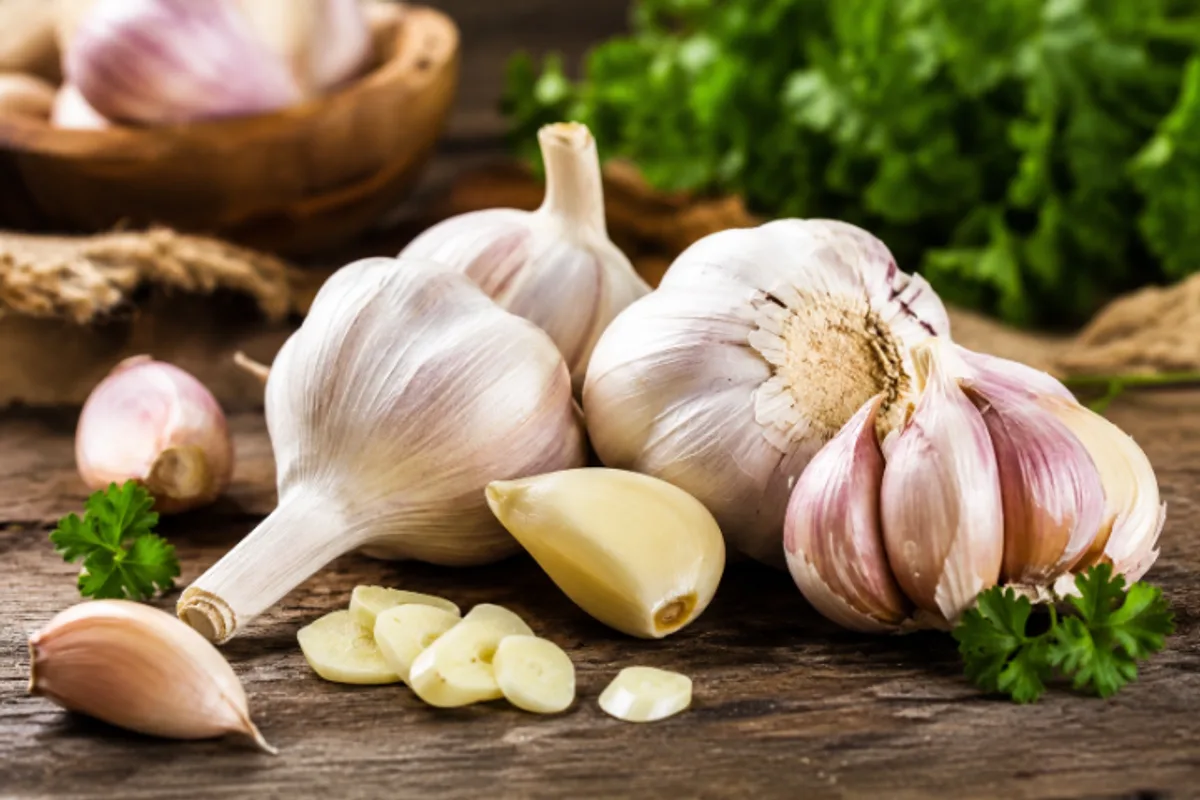
Garlic is not a multivitamin and not an antibiotic tablet. It is a bulb vegetable used across American kitchens—from weeknight pasta to roasted vegetables—to build flavor with almost no calories. When you damage a raw clove, enzymes create sulfur compounds that make garlic smell like garlic and that researchers study for heart and immune biology. Your body digests those compounds, uses tiny amounts of micronutrients, and—if you ate a lot of raw garlic—may remind you with breath and burps for the rest of the day.
What allicin actually is
Uncut garlic stores a precursor called alliin and an enzyme called alliinase in separate compartments. Crushing, mincing, or chewing mixes them. That reaction produces allicin, a reactive sulfur compound that quickly transforms into other organosulfur molecules. This pathway is real and well mapped in food chemistry. It is also easy to overhype. Your sauté pan is not a laboratory flask, and a clove is not a standardized drug dose.
Kitchen tip used by many cooks: mince garlic and wait several minutes before it hits high heat so the enzyme has time to work. Then cook gently so you do not burn it.
Digestion, breath, and why garlic “stays with you”
After you eat garlic, metabolites travel through the bloodstream and exit partly through the lungs and skin. That is why gum helps less than time does. Raw garlic also irritates some people’s esophagus and stomach. If you get reflux, try smaller amounts, cook garlic thoroughly, or put it in meals with other foods rather than swallowing raw cloves first thing in the morning.
Heart health without miracle claims
US dietary guidance emphasizes vegetables, herbs, and lower sodium for blood pressure and long-term heart health. Garlic helps there in a practical way: it makes beans, greens, fish, and whole grains taste satisfying without heavy cream sauces or salty packets.
Clinical research on garlic preparations (powders, oils, aged extracts) reports modest average improvements in blood pressure for some adults and mixed effects on cholesterol. That is encouraging as a research signal—not a green light to abandon prescribed medications, skip follow-up labs, or eat raw garlic until you feel sick.
Immune system and cold season reality
American cold-and-flu season drives huge search interest in “garlic for immunity.” Food garlic belongs in a balanced diet that also includes sleep, vaccination where recommended, handwashing, and overall nutrition. A few clinical studies of garlic supplements suggest fewer colds or shorter duration for some participants; evidence is limited and not consistent enough to promise protection. Do not use garlic in place of medical care for fever, chest pain, or severe illness.
Raw vs cooked vs powder vs black garlic
Form
Best for
Watch-outs
Raw crushed
Dressings, salsa, max pungency
Breath, stomach burn
Cooked
Everyday US family meals
Scorching bitterness if burned
Powder
Weeknight convenience
Not the same as fresh chemistry
Black (aged)
Sweet-umami snacks and sauces
Different compounds than raw allicin
Choose the form you will actually use. Consistency beats perfection.
How much garlic per day?
For most healthy adults in the United States, 1–2 cloves in food daily is a realistic, sustainable range. Recipes that use a whole head of roasted garlic shared across a meal are fine for many people. Challenges that demand 10 raw cloves on an empty stomach are a social-media stunt, not nutrition science.
Side effects and safety
Common issues include bad breath, body odor, heartburn, gas, and loose stools after large raw intakes. Less common but important: allergy to alliums, skin burns from raw garlic poultices, and bleeding risk with high-dose supplements—especially around surgery or with anticoagulant drugs. The NIH Office of Dietary Supplements summarizes these cautions for supplemental garlic; food amounts are usually lower risk but still deserve honesty if you have a complex medical history.
Practical ways Americans use garlic well
Bloom minced garlic briefly in olive oil before adding tomatoes or greens.
Roast whole bulbs and spread on whole-grain toast with vegetables.
Use garlic and herbs to cut back on salt in soups and sheet-pan dinners.
Keep peeled cloves refrigerated only as long as quality stays good; discard if moldy or soft.
Pair garlic with vegetables like broccoli, spinach, and carrots for meals that are about the plate—not one “superfood.”
Bottom line
Eating garlic is one of the simplest evidence-aligned flavor upgrades in the American kitchen. Crush it when you want aromatic chemistry, cook it when you want comfort, stay in a culinary dose range, and keep medications and medical conditions in the conversation with your clinician. Garlic earns its reputation as a staple—not as a miracle cure.
Frequently asked questions
What happens if you eat garlic every day?
+
Most people simply absorb a small amount of nutrients and sulfur metabolites while enjoying stronger savory flavor. Over weeks, that habit may support better home cooking and modest cardiovascular dietary patterns. Daily raw megadoses are more likely to cause breath and stomach issues than superpowers.
Realistic benefits include supporting flavorful low-salt cooking, contributing organosulfur compounds studied for heart-related markers, and adding small amounts of manganese and B vitamins. Benefits are strongest as part of an overall healthy diet.
Some trials and reviews report small improvements in total or LDL cholesterol with garlic preparations; results are mixed. Food garlic is reasonable inside a cholesterol-conscious diet, not a stand-alone treatment.
Raw crushed garlic maximizes the classic allicin-forming reaction. Cooking softens flavor and can reduce some compounds. Many people use both—raw in dressings, cooked in sauces—based on comfort and taste.
Garlic is very low calorie and can make vegetables and lean proteins more satisfying. It does not burn fat by itself. Weight change still depends on total calories and habits.
Digestion creates sulfur-containing volatiles that leave through your lungs and skin. Brushing helps mouth odor but body volatiles take time to clear.
Is garlic safe during pregnancy?
+
Food amounts in cooking are generally considered acceptable for most pregnant people. High-dose supplements should only be used with clinician guidance.
High-dose garlic supplements can increase bleeding risk and interact with anticoagulants. Ask your clinician or pharmacist before combining; clarify food versus supplement use.
Supplements can be standardized and appear in clinical trials, but quality and dose vary and safety issues rise. Fresh garlic builds better everyday meals. Choose based on goals and medical advice.
Black garlic is aged, sweeter, and chemically different. It can be nutritious and flavorful but is not a stronger version of raw allicin garlic.
How much garlic is too much?
+
If you have stomach pain, burning, loose stools, or you use interacting medications, you are likely overdoing intensity or form. Culinary 1–2 cloves is enough for most people.
Bottom line
Should you eat garlic?
Should you eat it?
Yes—for most healthy people, garlic is a smart, evidence-aligned flavor staple in everyday cooking.
Who benefits most?
Home cooks building Mediterranean-style or lower-sodium meals; people who enjoy alliums and tolerate them digestively.
How much?
About 1–2 cloves per day in food is a practical target; share bulbs across recipes through the week.
Main caution
Go easy on raw megadoses; respect bleeding, surgery, medication, reflux, and allergy contexts.
Crush garlic for aromatic dishes, cook to taste and comfort, and treat it as seasoning inside an overall heart-healthy pattern—not a miracle pill.
References
Sources used in this explainer. External links open in a new tab.

 Evidence: Strong
 Evidence: Strong
 Evidence: Strong
 Evidence: Moderate
 Evidence: Strong
 Evidence: Strong