What happens in your body when you eat tomatoes—lycopene, vitamin C, potassium, cooked vs raw absorption, acid reflux, nightshades, and realistic daily use for people in the United States.
When you eat tomatoes, your body absorbs water, vitamin C, potassium, fiber, and lycopene. Cooking with a little fat (oil, cheese, avocado) usually improves lycopene absorption; raw tomatoes keep more heat-sensitive vitamin C. A medium tomato is only about 20–25 calories. Acidic sauces and juices can trigger heartburn in people with GERD. Tomatoes fit vegetable-rich US patterns linked with favorable health markers—without single-food miracle claims.
Key takeaways
The essentials in plain language—useful before the deep dive.
✓
Tomato benefits center on lycopene, vitamin C, potassium, and low calories—not miracle “detox” claims.
✓
Tomato nutrition for one medium raw fruit is roughly 20–25 calories with useful vitamin C and about 1.5 g fiber (USDA approximate).
✓
Cooking with a little dietary fat often increases lycopene availability; raw fruit preserves more vitamin C.
✓
Tomato acid reflux risk is real for some people—especially concentrated sauces and juices.
✓
Nightshades (including tomatoes) do not need routine elimination for arthritis without personalized medical reason.
✓
Watch sodium on canned sauces; whole fresh or no-salt-added canned tomatoes are smarter everyday choices.
Quick answers
Short answers to common questions—details follow below.
What happens if you eat tomatoes every day?
Most healthy people get vitamin C, potassium, fiber, and lycopene within normal digestion. Benefits track with overall vegetable intake—not a single “superfood” effect. Watch reflux if sauces bother you.
Are cooked tomatoes healthier than raw?
They are complementary. Cooking with a little fat can increase lycopene availability. Raw tomatoes keep more heat-sensitive vitamin C and make easy snacks. Rotate both forms.
Do tomatoes cause acid reflux or heartburn?
They can for susceptible people—especially tomato sauce, paste, and juice. Fresh slices may be better tolerated in small amounts. Personalize with your clinician if you have GERD.
Is tomato good for heart health?
Tomatoes fit heart-friendly, vegetable-rich US dietary patterns. Potassium and produce variety matter more than any single lycopene claim. They do not replace prescribed heart care.
Is tomato good for skin?
Tomato carotenoids contribute to overall produce intake sometimes discussed for skin appearance research, but sleep, sunscreen, smoking status, and total diet dominate. No tomato face-mask or juice cleanse is proven skincare medicine.
How many tomatoes should you eat per day?
One medium tomato or about a cup of cherry tomatoes is a practical daily produce serving for most adults. More is fine if acid tolerance and overall diet allow.
What happens over time
A typical timeline after eating Tomato—not a personal medical forecast. Individual responses vary.
●
0–15 minutes
Step 1 Evidence: Strong
First bites
What happens: Water and organic acids release quickly. Chewing ruptures cell walls and starts freeing carotenoids and vitamin C.
Pattern certainty: typical
●
1–3 hours
Step 2 Evidence: Moderate
Absorption window
What happens: Vitamin C absorbs readily. Fat-soluble lycopene absorbs more efficiently when the meal includes dietary fat.
Pattern certainty: typical
●
Same day
Step 3 Evidence: Moderate
Digestive comfort
What happens: Acidic tomato products may trigger heartburn or reflux symptoms in susceptible people—especially large sauce servings.
Pattern certainty: variable
●
Days to weeks
Step 4 Evidence: Moderate
Daily pattern
What happens: Regular tomato intake raises produce variety and carotenoid exposure. Benefits track with overall vegetable-rich patterns.
Pattern certainty: typical
●
0–15 minutes
Evidence: Strong
First bites
What: Water and organic acids release quickly. Chewing ruptures cell walls and starts freeing carotenoids and vitamin C.
●
1–3 hours
Evidence: Moderate
Absorption window
What: Vitamin C absorbs readily. Fat-soluble lycopene absorbs more efficiently when the meal includes dietary fat.
●
Same day
Evidence: Moderate
Digestive comfort
What: Acidic tomato products may trigger heartburn or reflux symptoms in susceptible people—especially large sauce servings.
●
Days to weeks
Evidence: Moderate
Daily pattern
What: Regular tomato intake raises produce variety and carotenoid exposure. Benefits track with overall vegetable-rich patterns.
Nutrient snapshot
Serving size: 1 medium raw tomato (~123 g)
At a glance
Calories
22 kcal
Protein
1.1 g
Fat
0.2 g
Carbs
4.8 g
Fiber
1.5 g
Sugar
3.2 g
Vitamin highlights
Vitamin C ~17 mg 19% DV
Vitamin A ~833 IU
Minerals
Potassium ~292 mg 6% DV
% Daily Value based on a general 2,000-calorie reference diet where shown. Values are approximate.
Source: USDA FoodData Central (approximate values for a medium raw red tomato)
Benefits
Potential upsides when this food fits a balanced pattern—not guaranteed outcomes for every person.
Lycopene from cooked tomatoes with a little fat
Evidence: Moderate
Cooking softens cell walls and, with dietary fat, can improve lycopene availability compared with some raw preparations. That supports carotenoid intake within produce-rich diets—not a stand-alone cancer treatment.
Tomato-rich meals (salads, salsa, sauces used thoughtfully) align with dietary patterns that emphasize vegetables for cardiometabolic health—effects come from the pattern, not a single fruit.
Jarred marinara, pizza sauce, and restaurant dishes can add hundreds of milligrams of sodium per serving—check labels.
Allergy and oral allergy syndrome
Rare tomato allergy and pollen-related oral itching can occur. Stop and seek care if symptoms appear.
Nightshade myths vs evidence
Broad arthritis “nightshade elimination” claims lack strong population-level proof. Individual intolerance is possible—work with a clinician, not social media rules.
Educational context only—not a diagnosis tool. When in doubt, ask a qualified clinician.
!
Severe GERD or tomato-triggered reflux
Limit sauces/juices; test small cooked portions with clinician guidance if needed.
!
Tomato allergy or significant oral allergy symptoms
Avoid tomato products; use allergist-approved substitutes.
!
Strict low-sodium medical diets
Prefer fresh or no-salt-added canned tomatoes; drain/rinse when appropriate and watch sauce labels.
How much & how often
For most healthy US adults, one medium tomato or about 1 cup of cherry/grape tomatoes once a day is a practical produce serving. Cooked tomatoes (with a teaspoon of oil, or alongside avocado or cheese) can improve lycopene uptake. People with reflux may do better with small portions of low-acid preparations and should avoid large late-night sauce meals. There is no need for juice megadoses for health.
Tomato composition is well documented in food databases. Lycopene bioavailability increases with thermal processing and dietary fat in multiple human and mechanistic studies. Observational research links tomato/lycopene-rich patterns with some favorable cardiometabolic markers, but results are not proof that tomatoes alone prevent disease. Acidic foods are recognized reflux triggers for many patients. Nightshade elimination for arthritis is not strongly supported as a universal strategy.
Evidence in this article
Food composition
USDA nutrient data for raw tomatoes and related products.
Bioavailability studies
Lycopene absorption with cooking methods and dietary fat.
Observational and review literature
Tomato/lycopene intake patterns and health markers.
Clinical diet guidance
GERD trigger counseling and produce-forward dietary patterns.
Hierarchy of evidence
1
Systematic reviews & guidelines
Highest synthesis
2
Randomized trials
Strong causal designs
3
Observational studies
Association signals
4
Mechanistic / lab
Hypothesis-generating
Higher on this list generally means stronger confidence for public guidance—but every design has limits.
Research limitations
Fruit size, variety, and ripeness change nutrient amounts.
Sauce sodium and added sugar vary widely by brand.
Lycopene supplements are not equivalent to whole-food tomato meals.
Individual GERD responses differ; triggers are not one-size-fits-all.
In depth
The short story
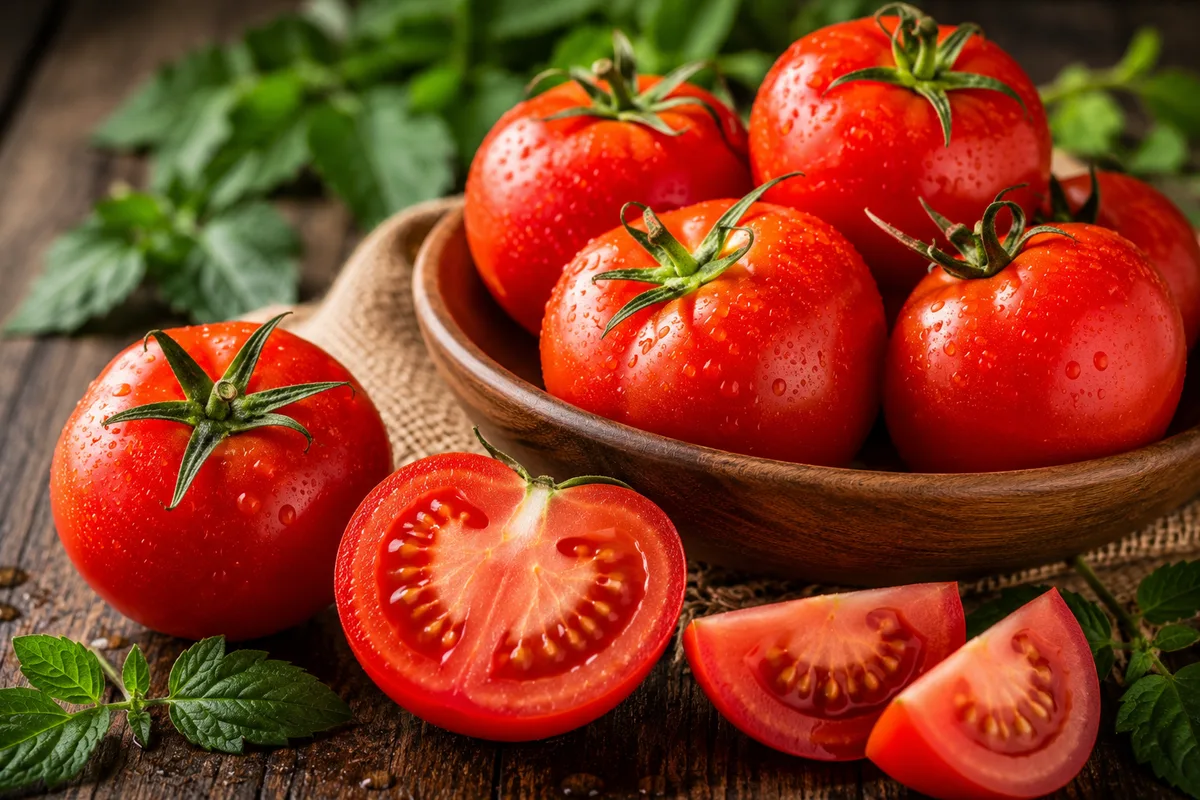
A tomato is a juicy, low-calorie produce staple in US kitchens—sliced on sandwiches, tossed in salads, simmered into sauce, or snacked as cherry tomatoes. When you eat it, your body takes in water, vitamin C, potassium, fiber, and lycopene (the red carotenoid).
Tomato benefits are practical: easy vegetable servings, cooking flexibility, and carotenoid intake when you prepare tomatoes thoughtfully. They are also acidic, so sauces and juices can trigger heartburn for some people. No tomato “detox” replaces sleep, overall diet, or medical care.
Tomato nutrition facts (US portions)
Approximate values for 1 medium raw tomato (~123 g) (USDA-style):
Nutrient
About
Calories
~22
Carbs
~4.8 g
Fiber
~1.5 g
Natural sugar
~3.2 g
Fat
~0.2 g
Vitamin C
~17 mg
Potassium
~292 mg
Cherry tomatoes nutrition is similar by weight—a cup is still a light, snackable produce serving. Tomato sauce nutrition depends more on sodium, oil, and added sugar than on the tomato alone.
What happens in your body
First minutes — Juices and acids hit the palate; chewing breaks cell walls.
Next 1–3 hours — Vitamin C absorbs readily. Lycopene (fat-soluble) absorbs better when the meal includes some fat—olive oil, avocado, cheese, or ground meat in a sauce.
Same day comfort — Large acidic portions (especially sauce/juice) may provoke reflux in sensitive people.
Over weeks — Daily tomatoes raise produce variety inside vegetable-forward patterns studied for heart and diet quality—not tomato-only magic.
Cooked tomatoes vs raw
Raw
Cooked (with a little fat)
Vitamin C
Generally higher
Some loss with heat
Lycopene availability
Often lower
Often higher
Best uses
Salads, snacks, salsa
Sauce, soup, roast, stew
Reflux risk
Usually lower per serving
Sauces/juices can be higher
Bottom line on cooked vs raw: use both. Roast cherry tomatoes with oil, or pair raw slices with avocado, to cover vitamin C and lycopene goals.
Tomato benefits without the hype
Tomato for heart health
Is tomato good for heart health? Tomatoes fit produce-rich patterns encouraged in US heart-health guidance. Potassium and vegetable volume matter. Lycopene research is interesting; it does not replace blood-pressure meds, statins, or clinical care.
Tomato for skin
Tomato for skin searches often point to lycopene and carotenoids. Eating tomatoes can contribute those pigments as part of a colorful diet. That is not the same as curing acne, erasing wrinkles, or replacing sunscreen. For skin appearance, sleep, UV protection, smoking status, and overall diet still matter more than any single fruit. Tomato face masks and “tomato glow detox” trends are not evidence-based medical skincare.
Tomato for weight loss
At ~22 calories per medium fruit, tomatoes add bulk and flavor with little energy cost—useful when they replace fried sides or creamy dips, not when drowned in ranch or cheese. Tomato for weight loss only works inside total calorie balance.
Acid reflux, GERD, and side effects
Common tomato side effects for sensitive people:
Heartburn after marinara, pizza, or spicy salsa
Mouth itching (allergy / oral allergy contexts)
High sodium load from jarred sauce
Tips if you love tomatoes but get reflux:
Prefer whole fresh or gently cooked slices over large juice pours
Avoid huge late-night pizza/sauce meals
Keep portions modest and log personal triggers with your clinician
Nightshades and arthritis myths
Yes—tomatoes are nightshades. Social media often claims they “cause arthritis.” Population evidence does not support routine nightshade elimination for most people. If you notice personal flares, trial removal under clinician or dietitian guidance—not based on fear alone.
Tomato juice — can be a lycopene drink; watch sodium and prefer whole fruit most days.
Restaurant pasta — sauce portions are often large; split or order lighter.
How many tomatoes per day?
For most healthy US adults:
Target: 1 medium tomato or ~1 cup cherry/grape tomatoes
Cooked: ½–1 cup prepared tomatoes/sauce as part of a meal (mind sodium)
More: fine if reflux and overall diet allow
What happens if you eat tomatoes every day? For most people, a simple produce win—as long as acid and sodium stay in check.
Practical US kitchen tips
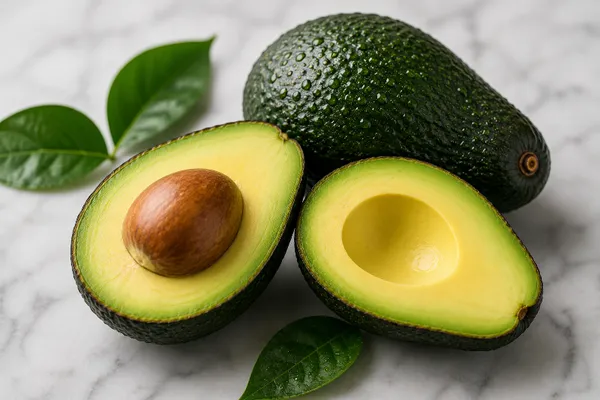
Pair tomatoes with avocado or a drizzle of oil for lycopene absorption.
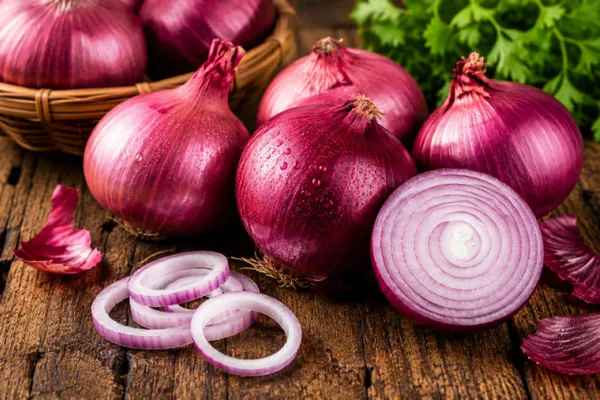
Build salsa with onion and lime for flavor without heavy salt.
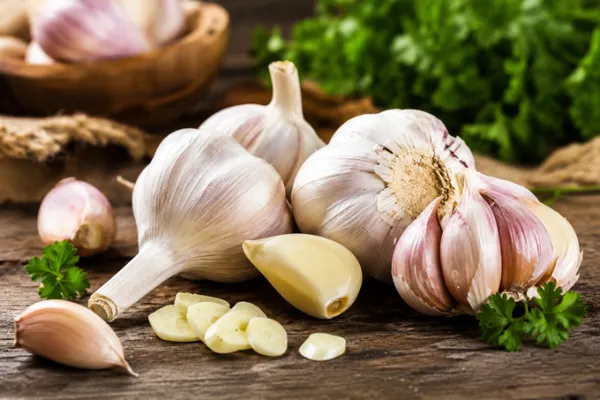
Roast with garlic and herbs instead of relying only on jarred sauce.
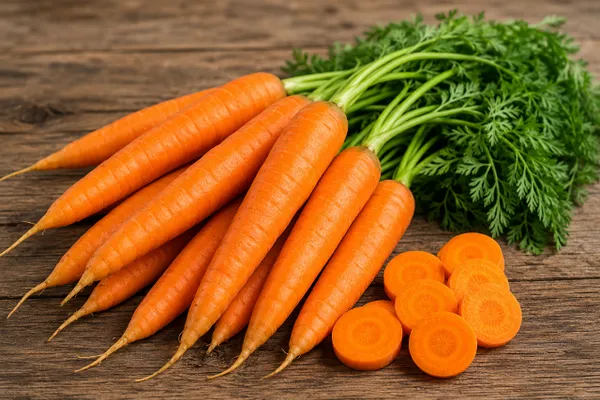
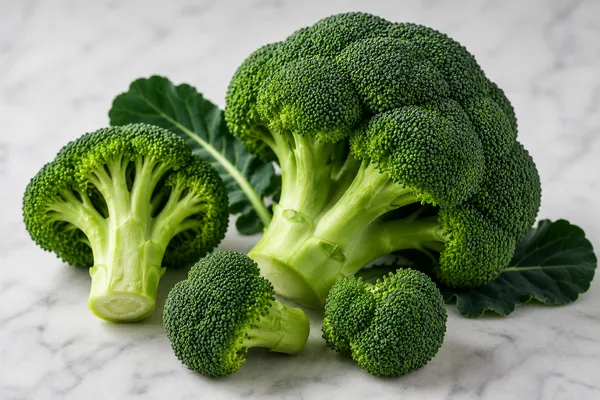
Add to broccoli or carrot trays for colorful sheets-pan meals.
Snack cherry tomatoes instead of chips when you want crunch and color.
Bottom line
What happens if you eat tomatoes every day in a US kitchen is straightforward: you get low-calorie produce with vitamin C, potassium, and lycopene—especially when some tomatoes are cooked with a little fat. Respect reflux triggers, read sauce labels, ignore nightshade fear-mongering unless you have a personal medical reason, and treat tomatoes as a smart vegetable habit—not a cure-all.
Frequently asked questions
What happens if you eat tomatoes every day?
+
Most healthy people get vitamin C, potassium, fiber, and lycopene within normal digestion. Benefits track with overall vegetable intake—not a single “superfood” effect. Watch reflux if sauces bother you.
They are complementary. Cooking with a little fat can increase lycopene availability. Raw tomatoes keep more heat-sensitive vitamin C and make easy snacks. Rotate both forms.
They can for susceptible people—especially tomato sauce, paste, and juice. Fresh slices may be better tolerated in small amounts. Personalize with your clinician if you have GERD.
Tomatoes fit heart-friendly, vegetable-rich US dietary patterns. Potassium and produce variety matter more than any single lycopene claim. They do not replace prescribed heart care.
Tomato carotenoids contribute to overall produce intake sometimes discussed for skin appearance research, but sleep, sunscreen, smoking status, and total diet dominate. No tomato face-mask or juice cleanse is proven skincare medicine.
One medium tomato or about a cup of cherry tomatoes is a practical daily produce serving for most adults. More is fine if acid tolerance and overall diet allow.
Are tomatoes a nightshade and should you avoid them?
+
Yes, tomatoes are nightshades. Most people do not need to eliminate them for arthritis. Avoid for allergy or if a clinician finds personal intolerance.
Botanically a fruit. In US dietary guidance and grocery habits, tomatoes usually count toward vegetable intake. Either way they are low-calorie produce.
Is tomato sauce healthy?
+
Homemade or low-sodium sauces can be a smart lycopene source. Many jarred sauces are high in sodium (and sometimes sugar). Read labels and watch portion size.
Canned tomatoes (especially no-salt-added) remain a strong lycopene option because processing helps free carotenoids. Prefer BPA-conscious brands if that matters to you, and watch sodium.
Is tomato juice as good as eating a whole tomato?
+
Juice can deliver lycopene and potassium but usually lacks the chewing satisfaction and some fiber matrix of whole fruit, and it is easy to overdrink sodium-heavy products. Prefer whole tomatoes most of the time.
Tomatoes are low in calories and modest in natural sugar with fiber. They fit many diabetes meal patterns; sauces with added sugar need label checks. Personalize with your care team.

 Evidence: Moderate
 Evidence: Strong
 Evidence: Strong
 Evidence: Strong
 Evidence: Strong
 Evidence: Strong