What happens in your body when you eat sweet potatoes—beta-carotene and vitamin A, fiber, blood sugar context, skin myths, carotenemia, and realistic daily portions for people in the United States.
When you eat a sweet potato, your body digests complex carbohydrates and fiber while converting beta-carotene into vitamin A as needed. A little dietary fat at the same meal improves carotenoid absorption. Daily sweet potatoes can support produce-rich US eating patterns for vision nutrients, fullness, and fiber—but they are not a fat-melting or acne-curing food. Very large intakes of orange vegetables can temporarily tint skin (carotenemia), which is usually harmless.
Key takeaways
The essentials in plain language—useful before the deep dive.
✓
Sweet potato benefits center on beta-carotene (vitamin A), fiber, and steady carbs—not miracle detox claims.
✓
One medium baked sweet potato often covers a large share of daily vitamin A needs for many adults (USDA approximate).
✓
Pair with a little fat so carotenoids absorb better; baking or roasting is a practical US method.
✓
Sweet potato for skin is about carotenoids in a balanced diet—not curing acne or replacing sunscreen.
✓
Portions matter for blood sugar and calories; fries and sugary casseroles change the nutrition story.
✓
Very high orange-vegetable intakes can cause temporary orange-tinted skin (carotenemia), usually harmless.
Quick answers
Short answers to common questions—details follow below.
What happens if you eat sweet potatoes every day?
Most healthy people get beta-carotene, fiber, potassium, and steady carbs. One medium potato daily is common and fine for many adults if it fits calories and carb goals.
Are sweet potatoes good for skin?
They provide carotenoids that fit skin-supportive dietary patterns. They do not cure acne or replace sunscreen, sleep, and medical care.
Can sweet potatoes turn your skin orange?
Very high intakes of orange vegetables can cause temporary carotenemia (yellow-orange skin tint). It is usually harmless and improves when intake decreases.
Are sweet potatoes good for weight loss?
Plain baked sweet potatoes can be filling versus chips or white bread snacks. Weight change still depends on total calories—fries and sugary toppings count.
Do sweet potatoes spike blood sugar?
They raise glucose like other starchy foods, though fiber helps for many people. Portion size and meal pairing matter—personalize if you have diabetes.
How many sweet potatoes should you eat per day?
About one medium potato (or 1 cup cubed) is a practical daily serving for many healthy adults.
What happens over time
A typical timeline after eating Sweet potato—not a personal medical forecast. Individual responses vary.
●
0–15 minutes
Step 1 Evidence: Strong
First bites
What happens: Starch and natural sweetness hit taste receptors. Fiber begins structuring the food bolus; skins add extra fiber if eaten.
Pattern certainty: typical
●
1–3 hours
Step 2 Evidence: Strong
Digestion and absorption
What happens: Complex carbs digest to glucose. Beta-carotene absorbs better with dietary fat and converts to vitamin A as the body needs.
Pattern certainty: typical
●
2–4 hours
Step 3 Evidence: Moderate
Fullness window
What happens: Fiber and volume help many people stay satisfied versus refined white bread or chips of similar calories.
Pattern certainty: typical
●
Days to weeks
Step 4 Evidence: Moderate
Daily pattern
What happens: Regular servings raise vitamin A–related nutrient intake and vegetable variety. Extreme daily megadoses are unnecessary.
Pattern certainty: typical
●
0–15 minutes
Evidence: Strong
First bites
What: Starch and natural sweetness hit taste receptors. Fiber begins structuring the food bolus; skins add extra fiber if eaten.
●
1–3 hours
Evidence: Strong
Digestion and absorption
What: Complex carbs digest to glucose. Beta-carotene absorbs better with dietary fat and converts to vitamin A as the body needs.
●
2–4 hours
Evidence: Moderate
Fullness window
What: Fiber and volume help many people stay satisfied versus refined white bread or chips of similar calories.
●
Days to weeks
Evidence: Moderate
Daily pattern
What: Regular servings raise vitamin A–related nutrient intake and vegetable variety. Extreme daily megadoses are unnecessary.
Nutrient snapshot
Serving size: 1 medium baked sweet potato (~114 g flesh)
At a glance
Calories
103 kcal
Protein
2.3 g
Fat
0.2 g
Carbs
24 g
Fiber
3.8 g
Sugar
7.4 g
Vitamin highlights
Vitamin A (RAE) ~1,096 mcg 122% DV
Vitamin C ~22 mg 24% DV
Vitamin B6 ~0.3 mg
Minerals
Potassium ~542 mg 12% DV
% Daily Value based on a general 2,000-calorie reference diet where shown. Values are approximate.
Source: USDA FoodData Central (approximate values for baked sweet potato)
Benefits
Potential upsides when this food fits a balanced pattern—not guaranteed outcomes for every person.
Vitamin A support from beta-carotene
Evidence: Strong
Orange sweet potatoes are among the richest common US food sources of beta-carotene, which the body converts to vitamin A for normal vision and immune function when intake was low.
Sweet potatoes contain oxalates. People with calcium-oxalate stone history may need portion guidance and hydration advice from a clinician.
Fried and sugar-loaded preparations
Deep-fried sweet potato fries and marshmallow casseroles can erase the “healthy swap” advantage.
Who should limit this food
Educational context only—not a diagnosis tool. When in doubt, ask a qualified clinician.
!
History of calcium-oxalate kidney stones
Discuss portion limits and hydration with your clinician or dietitian.
!
Diabetes or carb-counting meal plans
Include sweet potato in carbohydrate totals; prefer plain preparations.
!
People taking high-dose vitamin A supplements
Food carotenoids differ from preformed vitamin A supplements—review total intake with your clinician.
How much & how often
For most healthy US adults, about one medium sweet potato (or ~1 cup cubed) once a day is a practical vegetable/starch serving. Pair with protein and non-starchy vegetables. If watching carbs, start with half a medium potato. Extreme multi-potato challenges are unnecessary for health.
Sweet potato composition and beta-carotene content are well documented. Vitamin A biology and carotenoid absorption with dietary fat are established. Skin-color changes from high carotenoid intake (carotenemia) are recognized clinically as usually benign. Claims that daily sweet potatoes independently cure chronic disease or dermatologic conditions overstate the evidence; benefits track with overall diet patterns.
Evidence in this article
Food composition
USDA nutrient data for sweet potatoes.
Vitamin A / carotenoid science
Beta-carotene conversion and absorption context.
Clinical nutrition education
Carotenemia and produce-forward dietary patterns.
Hierarchy of evidence
1
Systematic reviews & guidelines
Highest synthesis
2
Randomized trials
Strong causal designs
3
Observational studies
Association signals
4
Mechanistic / lab
Hypothesis-generating
Higher on this list generally means stronger confidence for public guidance—but every design has limits.
Research limitations
Baked, boiled, fried, and candied preparations differ sharply in calories and fat.
“Yam” labeling in US stores often means orange sweet potato.
Glycemic responses vary with cooking method, ripeness, and meal pairing.
Purple and white-fleshed types differ in pigment profiles.
In depth
The short story
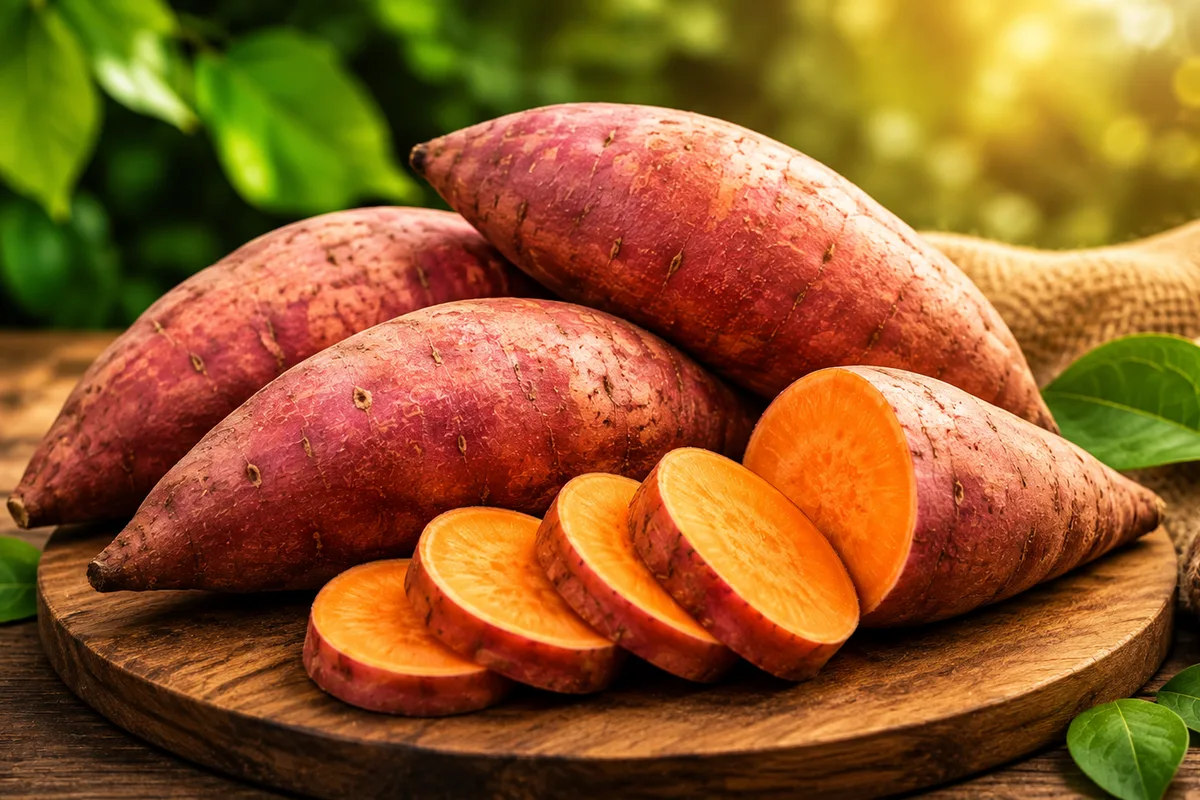
A sweet potato is a starchy orange (or purple/white) vegetable packed with beta-carotene, fiber, and potassium. When you eat it, your body digests complex carbs for energy and converts carotenoids into vitamin A as needed—especially when you eat a little fat in the same meal.
Sweet potato benefits for US kitchens are real and practical: nutrient density, fullness, and an easy bake-and-go side. They are not a detox, a guaranteed blood-sugar “free food,” or a dermatology treatment.
Sweet potato nutrition facts (US portions)
Approximate values for 1 medium baked sweet potato (~114 g flesh) (USDA-style):
Nutrient
About
Calories
~103
Carbs
~24 g
Fiber
~3.8 g
Natural sugar
~7 g
Vitamin A (RAE)
~1,096 mcg
Potassium
~542 mg
Protein
~2 g
Note: Deep frying or marshmallow toppings change this table fast.
What happens in your body
First bites — Sweet starch and fiber start digestion; skins add more fiber if you eat them.
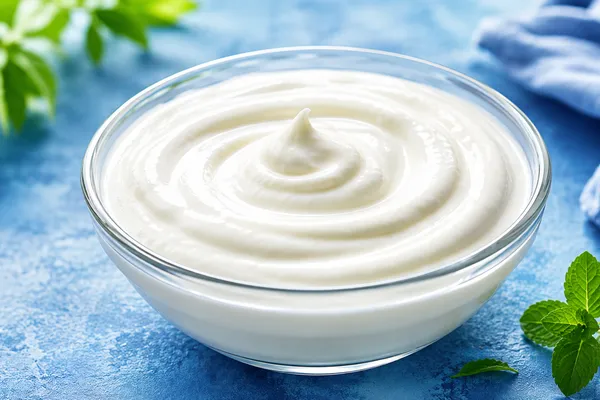
Next few hours — Carbs become glucose; beta-carotene absorbs better with oil, avocado, or yogurt.
Fullness — Many people stay satisfied longer than after chips or white bread.
Over weeks — Daily servings raise vitamin A–related nutrient intake within a varied vegetable pattern.
Sweet potato benefits without the hype
Sweet potato for eyes and vitamin A
Sweet potatoes help cover vitamin A needs when diets are low. They do not sharpen 20/20 vision or replace glasses for refractive errors.
Sweet potato for skin
Sweet potato for skin content online often cites beta-carotene and “glow.” Eating carotenoid-rich vegetables can support overall nutrition related to skin appearance in population research. That is not the same as clearing acne, fading scars, or skipping sunscreen. Very high orange-vegetable intakes can temporarily tint skin (carotenemia)—usually harmless and reversible.
Sweet potato for weight loss
A plain baked potato can replace fries or pastries as a filling carb. Sweet potato for weight loss fails when every serving is candied, fried, or oversized.
Sweet potato and blood sugar
Fiber helps, but sweet potatoes still count as carbohydrates. People with diabetes should portion thoughtfully and personalize with clinician guidance.
Sweet potato vs white potato
Both can fit a healthy US plate. Sweet potatoes usually lead on vitamin A; preparation (bake vs fry) often matters more than the rivalry.
How many sweet potatoes per day?
For most healthy adults:
Target: 1 medium potato or ~1 cup cubed
Carb-aware: start with half
Pairing: protein + non-starchy vegetables
Practical US kitchen tips
Bake or air-roast; finish with olive oil and spices instead of sugar.
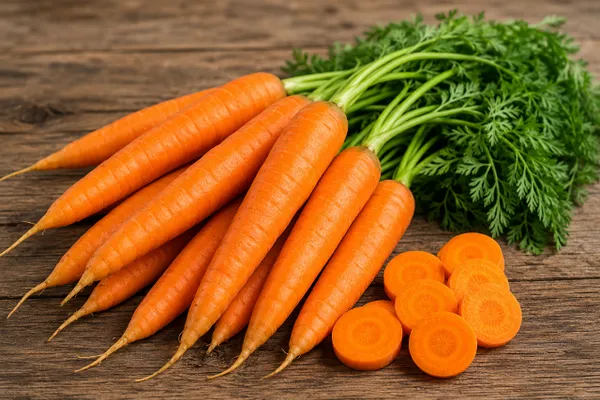
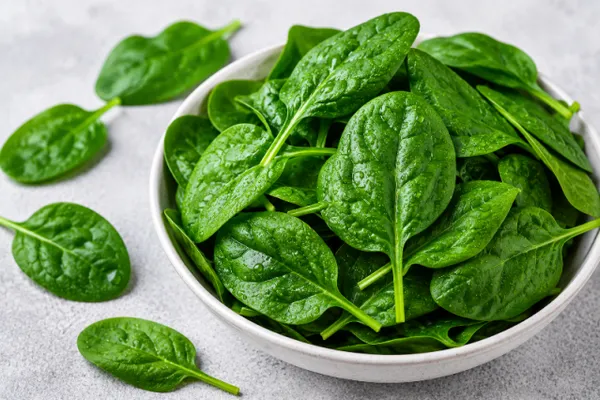
Swap occasionally with carrot and leafy greens like spinach for variety.
Scrub and eat the skin for extra fiber.
In US stores, labels saying “yam” often mean orange sweet potato.
Bottom line
What happens if you eat sweet potatoes every day is mostly a vitamin A, fiber, and carb story. Use one medium plain potato as a smart staple, keep skin and weight claims honest, watch fries and sugar toppings, and let overall diet quality do the heavy lifting.
Frequently asked questions
What happens if you eat sweet potatoes every day?
+
Most healthy people get beta-carotene, fiber, potassium, and steady carbs. One medium potato daily is common and fine for many adults if it fits calories and carb goals.
Very high intakes of orange vegetables can cause temporary carotenemia (yellow-orange skin tint). It is usually harmless and improves when intake decreases.
Plain baked sweet potatoes can be filling versus chips or white bread snacks. Weight change still depends on total calories—fries and sugary toppings count.
They raise glucose like other starchy foods, though fiber helps for many people. Portion size and meal pairing matter—personalize if you have diabetes.
Sweet potato vs white potato—which is healthier?
+
Both can fit. Sweet potatoes usually win on vitamin A; white potatoes can be higher in potassium in some preparations. Preparation method often matters more than the label.
Vitamin A from beta-carotene supports normal vision function, especially if intake was low. Sweet potatoes do not correct needing glasses for refractive errors.
 Evidence: Strong
 Evidence: Strong
 Evidence: Strong
 Evidence: Strong
 Evidence: Moderate
 Evidence: Strong