What happens in your body when you eat onions—fiber, sulfur compounds, quercetin, raw vs cooked trade-offs, gas and breath, FODMAP sensitivity, and realistic daily use for people in the United States.
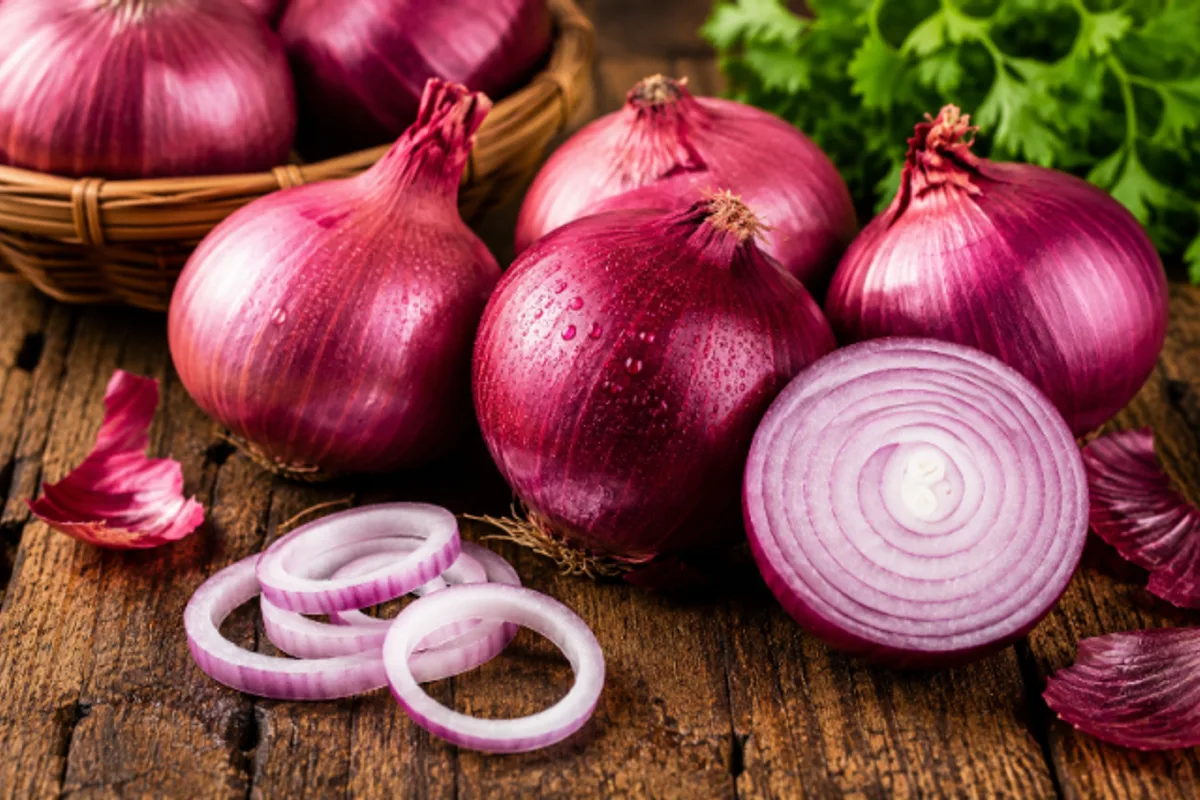
When you eat onions, your body digests fermentable carbs and sulfur compounds that create flavor, tears, and sometimes gas. Onions provide fiber, vitamin C, and flavonoid quercetin (especially in outer layers) with few calories. They support savory, lower-sodium cooking for heart-healthy US meal patterns. Benefits come from vegetable-rich diets—not onion-only cures. Raw onions are sharper and more gas-forming for some people; cooking softens flavor and may improve tolerance.
Key takeaways
The essentials in plain language—useful before the deep dive.
✓
Onion benefits for most people come from low-calorie flavor that supports vegetable-rich, lower-sodium US cooking.
✓
Onion nutrition includes fiber, vitamin C, and quercetin; amounts depend on type and outer layers.
✓
Fermentable carbs can cause gas and bloating—common, not a toxin signal.
✓
Cooking softens bite and often improves digestive comfort versus large raw servings.
✓
Daily culinary onion is normal in US diets; onion supplements are a different product.
✓
People with IBS or low-FODMAP plans may need smaller portions or cooked forms under dietitian guidance.
Quick answers
Short answers to common questions—details follow below.
What happens if you eat onions every day?
You mainly get low-calorie flavor, fiber, and plant compounds. Gas is the most common side effect for large raw intakes. Daily cooking use is normal for healthy US adults.
What are the health benefits of onions?
Onion benefits include supporting savory low-salt cooking, contributing fiber and micronutrients, and providing quercetin and sulfur compounds studied in nutrition science—not proven disease cures from onions alone.
Are raw onions healthier than cooked?
Raw keeps a sharper profile and some heat-sensitive vitamin C; cooked is often easier on digestion and still nutritious for everyday meals.
Why do onions cause gas or bloating?
Onions contain fermentable carbs (including FODMAP fructans) that gut microbes can ferment, producing gas—especially with large raw servings.
Red vs yellow onion—which is better?
Red onions often have more visible pigments/phenolics; differences are usually smaller than total vegetable intake across the week.
Are onions low FODMAP?
Whole onions are generally high FODMAP and often limited on elimination diets. Ask a dietitian about green tops, infused oils, or reintroduction steps.
What happens over time
A typical timeline after eating Onion—not a personal medical forecast. Individual responses vary.
●
0–20 minutes
Step 1 Evidence: Strong
Cutting and first bites
What happens: Damaged onion cells release sulfur compounds that irritate eyes and create sharp aroma. Chewing mixes fiber and sugars into a savory matrix.
Pattern certainty: typical
●
1–24 hours
Step 2 Evidence: Moderate
Digestion and fermentation
What happens: Some onion carbs (including FODMAP fructans) reach the colon and ferment, producing gas for many people—especially in large raw amounts.
Pattern certainty: typical
Caution: IBS and FODMAP-sensitive people may need portion strategies.
●
Days to weeks
Step 3 Evidence: Strong
Daily cooking pattern
What happens: Using onions as a base for soups, stir-fries, and sheet-pan meals supports vegetable-forward, lower-sodium flavor.
Pattern certainty: variable
●
Months to years
Step 4 Evidence: Strong
Longer-term pattern
What happens: Onion intake sits inside broader vegetable patterns linked with better diet quality—not proven disease cures from onions alone.
Pattern certainty: typical
●
0–20 minutes
Evidence: Strong
Cutting and first bites
What: Damaged onion cells release sulfur compounds that irritate eyes and create sharp aroma. Chewing mixes fiber and sugars into a savory matrix.
●
1–24 hours
Evidence: Moderate
Digestion and fermentation
What: Some onion carbs (including FODMAP fructans) reach the colon and ferment, producing gas for many people—especially in large raw amounts.
Caution: IBS and FODMAP-sensitive people may need portion strategies.
●
Days to weeks
Evidence: Strong
Daily cooking pattern
What: Using onions as a base for soups, stir-fries, and sheet-pan meals supports vegetable-forward, lower-sodium flavor.
●
Months to years
Evidence: Strong
Longer-term pattern
What: Onion intake sits inside broader vegetable patterns linked with better diet quality—not proven disease cures from onions alone.
Nutrient snapshot
Serving size: 1 medium raw onion (~110 g)
At a glance
Calories
44 kcal
Protein
1.2 g
Fat
0.1 g
Carbs
10 g
Fiber
1.9 g
Sugar
4.7 g
Vitamin highlights
Vitamin C ~8 mg 9% DV
Vitamin B6 ~0.13 mg 8% DV
Folate ~21 mcg 5% DV
Minerals
Potassium ~161 mg 3% DV
Manganese ~0.14 mg 6% DV
% Daily Value based on a general 2,000-calorie reference diet where shown. Values are approximate.
Source: USDA FoodData Central (approximate values for a medium raw onion)
Benefits
Potential upsides when this food fits a balanced pattern—not guaranteed outcomes for every person.
Flavor foundation for healthier cooking
Evidence: Strong
Onions let US home cooks build depth without heavy salt or cream sauces—supporting heart-healthy meal patterns when overall diet improves.
Onions (especially red/yellow outer layers) provide quercetin and other phenolics studied in nutrition science. Kitchen portions are not pharmaceutical doses.
Balanced context—not scare headlines. Dose, preparation, and personal health history all matter.
Gas and bloating
Fermentable carbs commonly cause gas—reduce raw portions or cook thoroughly if needed.
Breath and body odor
Sulfur metabolites can linger on breath after raw onion.
Heartburn for some people
Spicy raw onion may aggravate reflux.
Allergy and oral allergy cross-reactivity
Allium allergy is uncommon but real; related to garlic for some people.
Who should limit this food
Educational context only—not a diagnosis tool. When in doubt, ask a qualified clinician.
!
Onion or allium allergy
Avoid and follow allergist advice for cross-contact with garlic and related foods.
!
IBS on a low-FODMAP protocol
Onions are often restricted in elimination phases; work with a dietitian for reintroduction.
!
Active GERD triggered by raw onion
Prefer cooked, smaller amounts.
How much & how often
For most healthy US adults, using onion daily as a cooking vegetable (about 1/4–1 medium onion across meals) is normal and practical. There is no universal medical quota. Scale portions down if gas is bothersome; cooking often helps.
Onion nutrient composition is solid. Population benefits of allium/vegetable-rich diets are stronger than onion-specific disease trials. FODMAP effects on GI symptoms are clinically recognized. Quercetin research is active but should not be oversold as kitchen medicine.
Evidence in this article
Food composition
USDA onion nutrient profiles.
Dietary pattern guidance
AHA vegetable-forward heart guidance.
Phytochemical reviews
Quercetin and allium compound literature.
Hierarchy of evidence
1
Systematic reviews & guidelines
Highest synthesis
2
Randomized trials
Strong causal designs
3
Observational studies
Association signals
4
Mechanistic / lab
Hypothesis-generating
Higher on this list generally means stronger confidence for public guidance—but every design has limits.
Research limitations
Varieties differ in sugar and flavonoid content.
Cooking changes chemistry and tolerance.
Supplement studies do not equal sautéed onions.
In depth
The short story
Onions are the quiet workhorse of American cooking—soups, tacos, stir-fries, salads, burgers. They are low in calories and high in flavor chemistry. Your body digests their sugars and fiber; gut microbes ferment some carbs and may produce gas. That is ordinary digestion, not a sign onions are “toxic.”
Onion benefits and nutrition
Onion benefits for most people come from making healthy meals taste good with few calories. Onion nutrition facts for a medium raw onion include roughly 44 calories, about 2 grams of fiber, and useful amounts of vitamin C and B6, plus plant compounds like quercetin. That supports vegetable-rich US diets—not onion-only medical treatment.
Raw vs cooked
Raw
Cooked
Flavor
Sharp, crisp
Sweet when caramelized
Digestion
More gas for some
Often easier
Vitamin C
Slightly higher
Some heat loss
Best for
Salsas, salads
Sauces, roasting, soups
Heart-healthy kitchen angle
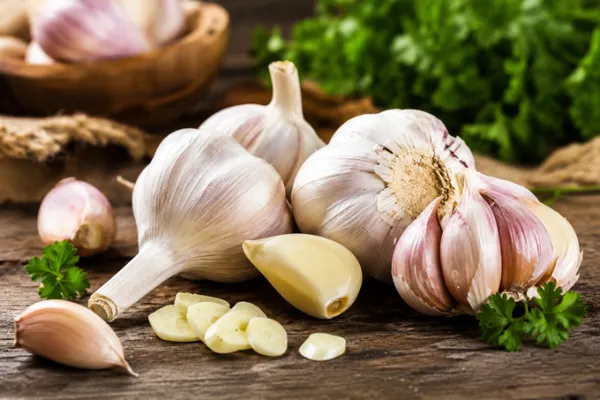
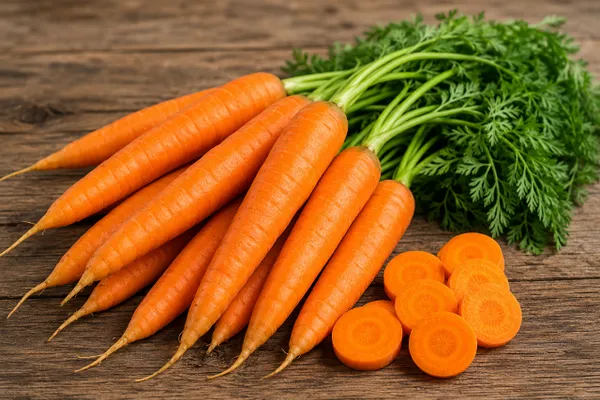
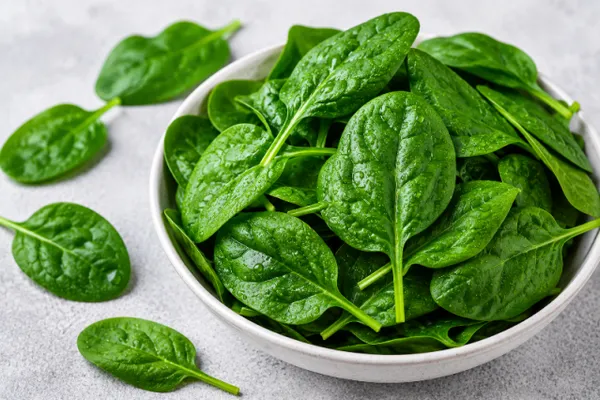
Onions help you cook vegetables and lean proteins with less dependence on salty packets—aligned with vegetable-forward patterns promoted for heart health. Pair with garlic, carrot, and leafy greens like spinach.
Bottom line
Eat onions daily as a normal cooking vegetable if you tolerate them. Adjust raw vs cooked for comfort, and skip miracle claims about “cleaning blood” or curing disease.
Frequently asked questions
What happens if you eat onions every day?
+
You mainly get low-calorie flavor, fiber, and plant compounds. Gas is the most common side effect for large raw intakes. Daily cooking use is normal for healthy US adults.
Onion benefits include supporting savory low-salt cooking, contributing fiber and micronutrients, and providing quercetin and sulfur compounds studied in nutrition science—not proven disease cures from onions alone.
Whole onions are generally high FODMAP and often limited on elimination diets. Ask a dietitian about green tops, infused oils, or reintroduction steps.
Do onions clean your blood?
+
No. That is marketing language. Onions are food, not a detox treatment.
Why do onions make you cry?
+
Cutting releases sulfur compounds that irritate the eyes—normal kitchen chemistry, not a health danger for most people.
Is onion good for heart health?
+
Onions help build vegetable-forward meals that fit heart-healthy patterns. They are not a substitute for blood-pressure medication or clinical care.

 Evidence: Strong
 Evidence: Strong
 Evidence: Strong
 Evidence: Strong
 Evidence: Strong
 Evidence: Strong