Intro
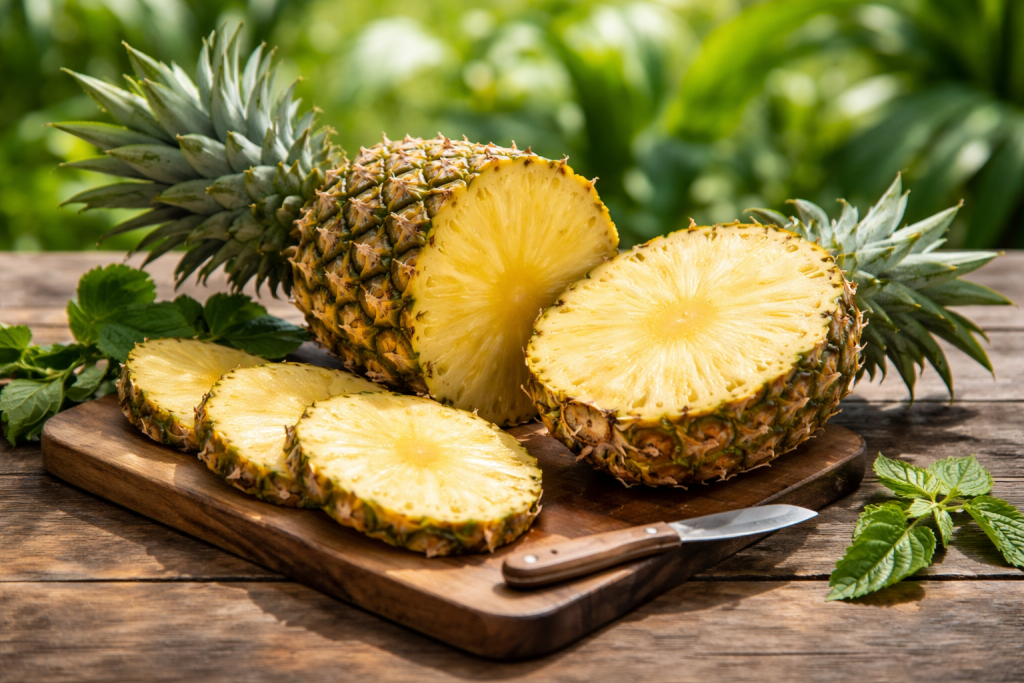
People are paying closer attention to how everyday food choices affect energy, digestion, and immunity. Many are focusing on shedding extra weight, supporting gut health with more fiber, and choosing colorful plant-based foods that feel light yet nourishing. Tropical flavors are also having a moment, and pineapple stands out for its bright, refreshing appeal. It’s no surprise that many people are now asking what happens if you eat pineapple every day, especially as interest grows in antioxidant-rich fruits that support digestion and help manage inflammation.
I started adding fresh pineapple to my lunch salads a few times a week, and over time I noticed meals felt lighter, with fewer post-meal slumps. Research suggests pineapple may offer more benefits than its sweet taste alone implies, making it worth a closer look.

The Impressive Nutritional Profile of Pineapple
Pineapple is a tropical powerhouse—low in calories but bursting with nutrients. One cup (about 165 grams) of fresh pineapple chunks provides (per USDA data):
- Calories: 82
- Fiber: 2.3 grams (9% DV) – supports digestion and fullness
- Vitamin C: 79 mg (88% DV) – essential for immunity and skin health
- Manganese: 1.5 mg (76% DV) – aids metabolism and bone health
- Bromelain: A unique enzyme complex – promotes protein digestion and anti-inflammatory effects
- Vitamin B6: 0.2 mg (11% DV) – boosts energy and mood
- Small amounts of potassium, copper, and folate
The real standout is bromelain, found mostly in fresh pineapple (less in canned). It’s what gives pineapple its therapeutic edge.
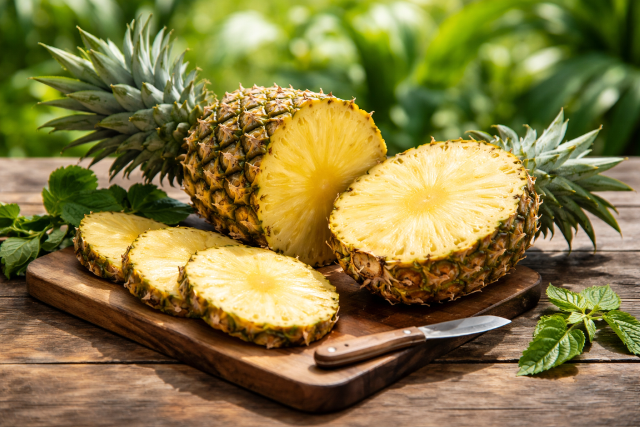
7 Surprising Things That Happen If You Eat Pineapple Every Day
What happens if you eat pineapple every day goes beyond just a sweet treat. Consistent intake delivers some powerful, evidence-based benefits.
- Enhanced Digestion and Reduced Bloating Bromelain breaks down proteins and reduces inflammation in the gut. Studies show it helps with digestive issues, making meals easier on your system .
- Stronger Immunity and Fewer Infections The massive vitamin C dose plus bromelain support immune function. One study found daily canned pineapple consumption decreased viral and bacterial infections in children .
- Powerful Anti-Inflammatory Effects Bromelain acts like a natural anti-inflammatory. Research confirms it reduces swelling and pain, comparable to some over-the-counter options .
- Better Heart Health and Reduced Oxidative Stress Daily pineapple lowers cardiac risk factors. A study showed it reduced oxidative stress, inflammation, and lipid profiles in animal models, with potential human benefits .
- Support for Weight Management Low-calorie, high-fiber, and with bromelain’s anti-obesity effects. Research links pineapple to reduced weight gain and improved dyslipidemia .
- Easier Joint Mobility and Pain Relief For those with arthritis or workout soreness, bromelain shines. Clinical studies demonstrate it alleviates osteoarthritis symptoms and speeds recovery .
- Potential Cancer-Protective Properties Bromelain shows promising anti-cancer activity in lab studies, inhibiting tumor growth and promoting cell health .
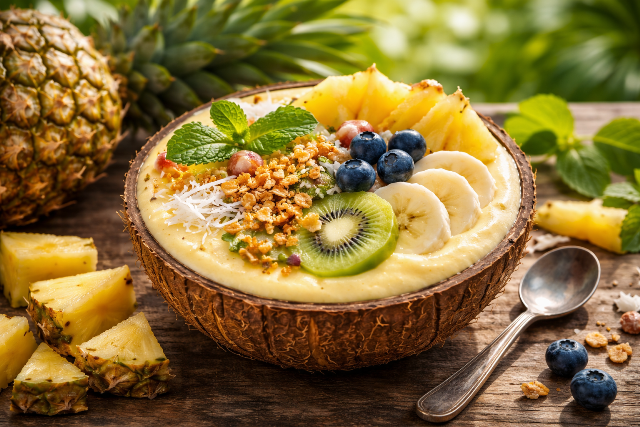
How Pineapple Supports Beauty and Glowing Skin
Pineapple is a secret weapon for radiant skin. Vitamin C boosts collagen production for firmer, brighter complexion, while bromelain gently exfoliates and reduces acne inflammation. Some studies on bromelain extracts show it calms skin irritation and fights breakouts. The truth is, daily pineapple can help fade hyperpigmentation and give that hydrated, tropical glow—perfect for starting the year fresh.

Potential Side Effects and Risks
What happens if you eat pineapple every day is mostly positive, but moderation matters. Fresh pineapple’s bromelain can cause mouth tingling or soreness if overdone. Excess may lead to diarrhea, nausea, or stomach upset. It’s acidic, so it might irritate sensitive teeth or trigger heartburn. Rare allergies can cause rashes or swelling—stop if that happens.
Safe Daily Amount
Stick to 1–2 cups of fresh pineapple chunks daily. That’s enough for benefits without irritation, aligning with studies and expert recommendations.
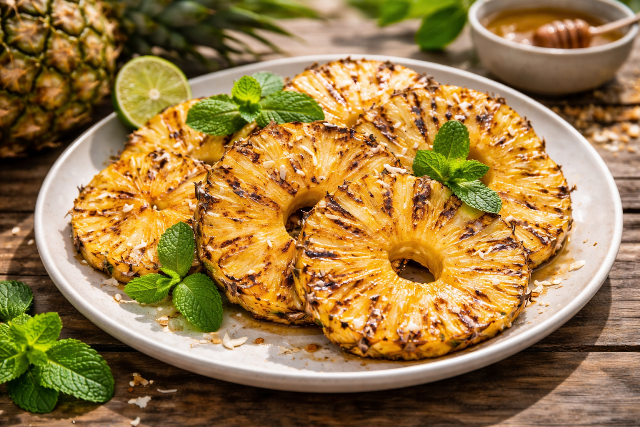
Practical Ways to Eat Pineapple Every Day
Pineapple’s versatility makes it easy to enjoy daily—here are some American favorites:
- Breakfast Boost: Add chunks to yogurt, oatmeal, or smoothies.
- Snacks: Fresh spears or frozen for a cool treat.
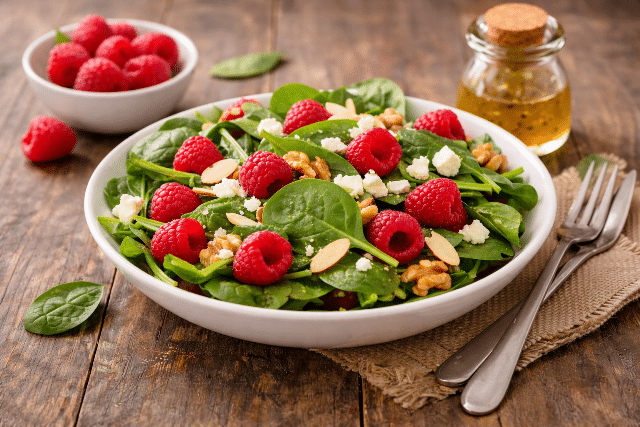
- Salads: Toss into greens with chicken or feta for sweet tang.
- Grilled: Brush slices and grill for dessert or sides.
- Salsas: Mix with onion, cilantro, and lime for tacos.
Quick Recipe: Tropical Pineapple Smoothie Blend 1 cup pineapple, banana, spinach, coconut milk, and ice. Creamy immunity booster in minutes!
Easy Idea: Pineapple Chicken Skewers Thread pineapple chunks with chicken and veggies, grill—sweet and savory dinner.
Also Read
Frequently Asked Questions
Is eating pineapple every day good for weight loss?
Yes—its low calories, fiber, and anti-obesity effects support healthier weight management.
What happens if you eat pineapple every day for skin?
Vitamin C and bromelain promote collagen, reduce acne, and give brighter, hydrated skin.
Can pineapple improve digestion when eaten daily?
Absolutely—bromelain helps break down proteins and ease bloating.
Does pineapple boost immunity in winter?
Its high vitamin C and studies on infection reduction say yes.
Can pineapple help with inflammation and joint pain?
Bromelain’s anti-inflammatory properties make it a natural aid.
Important Disclaimer The information in this article is for educational and informational purposes only and is not intended as medical advice. Always consult with a healthcare professional or registered dietitian before making significant changes to your diet, especially if you have any health conditions, are pregnant, or are taking medications. Individual results may vary.