Key Takeaways
- Brown rice benefits go beyond digestion and can slowly reflect in clearer, calmer-looking skin.
- Its fiber and minerals support steady energy instead of sudden highs and crashes.
- Daily brown rice works best when eaten mindfully and paired with the right foods.
Why Brown Rice Is Often Misunderstood
Brown rice has a strange reputation. Some people see it as “diet food.” Others believe it’s too heavy, too rough, or not suitable for daily meals. White rice, on the other hand, feels familiar and comforting.
Here’s the interesting part. When eaten correctly and consistently, brown rice can gently reshape how your body works internally—and those changes often show up on your skin, energy levels, and overall balance.
This article breaks down exactly what happens when you eat brown rice every day, focusing on internal body changes and the visible skin transformation that follows over time.
Nutritional Breakdown: What Makes Brown Rice Unique
Brown rice is a whole grain. Unlike white rice, it retains its bran and germ layers, which is where most of the nutrients live. This is what makes brown rice nutritionally different.
The main driver nutrient in brown rice is dietary fiber, supported by magnesium, B vitamins, and antioxidant compounds.
| Nutrient | Why It Matters |
|---|---|
| Dietary fiber | Supports digestion, gut health, and steady blood sugar |
| Magnesium | Helps relaxation, stress balance, and muscle function |
| B vitamins | Support metabolism and skin cell renewal |
| Antioxidants | Help manage internal oxidative stress |
Because these layers are intact, brown rice digests more slowly. That slower digestion is exactly what creates many of its benefits.
7 Things That Happen When You Eat Brown Rice Every Day
1. Your Digestion Becomes More Regular
One of the first brown rice benefits people notice is improved digestion. The fiber adds bulk and movement to the digestive system, helping food move more smoothly.
Studies suggest that fiber-rich whole grains can support a healthier gut environment. Over time, this may reduce bloating and irregular bowel habits.
When digestion improves, your body absorbs nutrients more efficiently—and that matters for skin health too.
2. You Feel Full for Longer Without Feeling Heavy
Brown rice takes longer to digest than refined grains. This means you feel satisfied for longer after meals.
What people notice first is fewer sudden hunger pangs and less mindless snacking. You’re not stuffed—you’re simply content.
This steady fullness supports better eating patterns throughout the day.
3. Your Energy Levels Become More Stable
Brown rice releases glucose slowly into the bloodstream. Instead of sharp spikes followed by crashes, your energy remains more even.
Research indicates that whole grains may help support steady blood sugar responses. That’s why many people feel fewer afternoon slumps when eating brown rice regularly.
Stable energy also means less stress on the body, which indirectly supports skin clarity.
4. Internal Inflammation May Calm Down
Low-grade inflammation often goes unnoticed, but it can show up as fatigue, digestive discomfort, or dull-looking skin.
Studies suggest that whole grains like brown rice may help support lower inflammation levels. When the body isn’t constantly dealing with internal stress, it can focus on repair and balance.
This internal calm often reflects externally over time.
5. Your Skin May Look Clearer and More Even
Brown rice contains B vitamins that support skin cell renewal. When your body gets a steady supply of these nutrients, skin turnover becomes more balanced.
You may notice fewer sudden breakouts and a calmer-looking complexion. This isn’t a dramatic overnight change, but a gradual improvement that feels natural.
Better digestion often equals better skin—and brown rice plays a role in that connection.
6. Skin Texture and Hydration Can Improve
Gut health and skin health are closely linked. When digestion improves, nutrient absorption improves too.
People eating brown rice every day often report smoother skin texture and less dryness, especially when paired with enough water and healthy fats.
The skin doesn’t just look better—it feels healthier.
7. You May Look Less Puffy and More Rested
Brown rice provides magnesium, which helps regulate fluid balance in the body. This can reduce water retention and facial puffiness.
Many people describe looking “lighter” or more refreshed after a few weeks, even without changing skincare products.
This is one of those subtle changes others notice before you do.
Transformation Timeline: What to Expect
After 1 day
You may feel fuller after meals and notice steadier digestion.
After 1 week
Digestion often becomes more regular, with less bloating and better energy flow.
After 1 month
Skin texture, clarity, and overall balance may noticeably improve, alongside steadier energy levels.
Risks and Warnings to Know
Brown rice is generally safe, but sudden large portions can overwhelm the digestive system if you’re not used to fiber.
People who should be cautious include:
- Those with very sensitive digestion
- Anyone transitioning suddenly from low-fiber diets
Common mistakes include overeating and pairing brown rice with very low-fat meals. Some nutrients absorb better when eaten with healthy fats.
Balance matters more than quantity.
How to Eat Brown Rice Daily Without Getting Bored
- Use brown rice as a base for vegetable bowls with lentils or beans
- Pair it with sautéed vegetables and healthy oils for easier digestion
- Add it to soups or soft meals like khichdi for a gentler texture
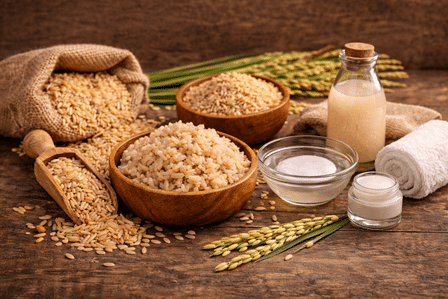
Skin-supporting tip: Use cooled brown rice water as a gentle face rinse once or twice a week for a soothing effect.
Frequently Asked Questions
Is it safe to eat brown rice every day?
Yes, for most people, moderate daily portions are safe and supportive for digestion and energy.
Does brown rice help with skin glow?
Indirectly, yes. Better digestion and nutrient absorption often reflect in clearer, healthier-looking skin.
How much brown rice should you eat daily?
A moderate portion—about one cooked serving per meal—is usually sufficient.
Who should avoid brown rice?
People with very sensitive digestion or specific dietary restrictions should introduce it slowly.