
Key Takeaways
- Eating an apple daily may gently support digestion, hydration, and steady energy without stressing the body.
- This fruit provide fiber, antioxidants, and water that help maintain internal balance and overall wellness.
- Over time, consistent intake may also reflect in calmer digestion and healthier-looking skin.
INTRO
These fruits are one of the most familiar foods in the world. Crisp. Juicy. Lightly sweet. You don’t need a recipe, a blender, or even a plate. You just pick one up and eat. Because they’re so common, most people overlook what this fruit actually does inside the body when eaten consistently.
I didn’t start eating these daily for health reasons. It was convenience. Something quick between work. Something light before a walk. What stood out wasn’t a dramatic change, but a subtle one. Digestion felt calmer. Hunger felt more controlled. Energy didn’t spike or crash — it stayed even.
So, what happens if you eat apple every day? It’s not an overnight transformation. Instead, it’s a series of small, practical shifts that quietly improve how the body functions. This fruit don’t force change. They support it.
And that’s what makes them powerful.
Here Are the 7 Major Things Your Body Experiences
When apples become a daily habit, most people gradually notice these changes:
- Smoother digestion and improved gut comfort
- More stable energy throughout the day
- Better hydration and fluid balance
- Support for heart and metabolic health
- Reduced low-grade inflammation over time
- Improved nutrient absorption and detox support
- Clearer, healthier-looking skin
Each of these effects builds slowly. Individually, they may feel minor. Together, they create a noticeable difference in how the body feels day to day.
QUICK SUMMARY
Eating one apple daily may help support digestion, hydration, and steady energy.
Over time, its fiber and antioxidants quietly contribute to internal balance and skin clarity.
NUTRITIONAL BREAKDOWN
An apple doesn’t look like a “superfood,” and that’s exactly why it works so well. It doesn’t overwhelm the body with heavy fats or intense sweetness. Instead, it delivers nutrients in a slow, steady way — the kind your system prefers.
That first crisp bite tells you a lot. These are made up of nearly 85–86% water, which means they hydrate while you chew. Hydration influences digestion, circulation, skin texture, and even how hungry you feel between meals.
The real strength of apples lies in their fiber and plant compounds, not calories. One medium apple contains about four grams of fiber, most of it as pectin, a soluble fiber that acts like a gentle sponge in the gut. It absorbs water, slows digestion, and feeds beneficial bacteria without causing heaviness.
Natural sugars are present, but fiber balances them. That balance is why these fruits rarely cause energy crashes. Instead, energy rises gradually and stays steady.
Research from Harvard Health notes that apples contain fiber and plant compounds that may support heart and metabolic health.
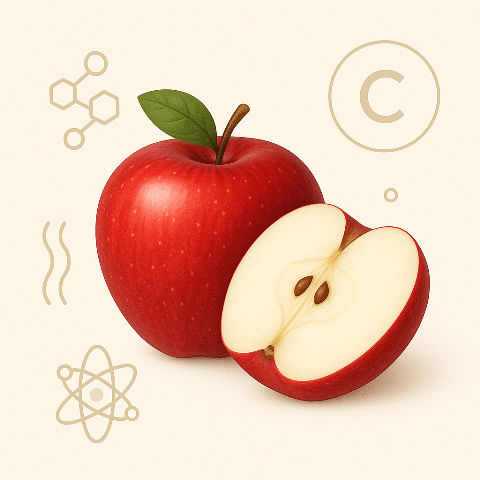
KEY NUTRIENTS IN APPLES (AND WHAT THEY DO)
Fiber (Pectin)
Pectin slows the movement of food through the digestive tract, helping you feel full longer and supporting smoother bowel movements. It also feeds beneficial gut bacteria, which play a role in digestion, immunity, and even mood regulation.
Vitamin C
While these fruits aren’t the highest source, their consistent vitamin C content supports immune health and collagen formation. Over time, even moderate intake contributes to long-term resilience.
Potassium
Potassium helps regulate fluid balance, muscle contraction, and nerve signaling. Apples provide enough to support hydration without stressing the kidneys.
Polyphenols
These natural antioxidants, found mainly in the skin, help reduce oxidative stress. Over time, lower oxidative stress supports healthier cells and metabolic balance.
WHY EATING THE SKIN MATTERS
Many people peel apples out of habit, but doing so removes a large portion of the fiber and antioxidants. The skin contains concentrated polyphenols and insoluble fiber that help move waste through the digestive system.
If digestion allows, eating apples with the skin intact provides noticeably more benefit.
HOW APPLES INTERACT WITH DIGESTION
It don’t stimulate digestion aggressively. They support it quietly. This makes them suitable for people with sensitive stomachs who don’t tolerate harsh fibers or heavy meals well.
Pectin slows glucose absorption, helping prevent sudden hunger and energy crashes — especially useful in the afternoon when cravings tend to appear.
Regular bowel movements are encouraged without forcing results. The effect is gradual and cumulative.
THE ROLE OF APPLES IN DAILY ENERGY
If an apple feels “lighter” than other snacks, there’s a reason. The combination of water, fiber, and natural carbohydrates provides fuel without burdening digestion.
Many people report feeling:
- Less sleepy after eating an apple
- More focused compared to processed snacks
- Comfortably full without heaviness
This makes apples a practical option for mid-morning or mid-afternoon energy.
IMMUNE & INFLAMMATION SUPPORT
It don’t overload the immune system. They support it steadily. Vitamin C and antioxidants help protect immune cells from oxidative damage.
Over time, this may help the body:
- Respond better to stress
- Maintain immune balance
- Recover more smoothly from minor illnesses
Low-grade inflammation, which often goes unnoticed, may also ease gradually due to antioxidant support.
BEAUTY BENEFITS: SKIN & APPEARANCE
Skin often reflects internal balance. Apples support skin health mainly by improving hydration, digestion, and antioxidant intake.
- Better hydration supports elasticity
- Antioxidants help calm uneven tone
- Improved digestion supports clearer texture
The result isn’t a cosmetic glow — it’s a natural, rested look that builds over time.
TRANSFORMATION TIMELINE
Day 1–2:
Lighter digestion, mild hydration boost
Week 1:
Steadier energy, reduced bloating, skin feels less tight
Week 2–3:
Improved gut comfort, calmer complexion
Month 1 and beyond:
More consistent energy, smoother digestion, healthier-looking skin
RISKS & WARNINGS
- Sudden fiber increase may cause temporary bloating
- Those with blood sugar concerns should pair apples with protein
- Always wash apples thoroughly
Moderation and preparation matter.
HOW TO EAT APPLES DAILY
- Whole with skin
- Sliced with nut butter
- Added to oats or yogurt
- Lightly baked for sensitive digestion
STORAGE & BUYING TIPS
- Choose firm apples
- Store in the refrigerator
- Keep away from other fruits
- Avoid bruised or overly soft apples
THE BIG PICTURE
Apples don’t transform the body overnight. What they offer is reliability. When eaten consistently, they support digestion, hydration, energy, and skin health in a way that feels natural rather than forced.
That’s why they’ve remained a daily staple for generations.
Disclaimer
This content is for informational purposes only and is not a substitute for professional medical advice. Individual results may vary. Consult a healthcare professional before making dietary changes.
Also Read :
FAQ
Is it healthy to eat an apple every day?
Yes, for most people, eating one apple daily is considered a healthy habit. This provide fiber, water, and antioxidants that may support digestion, hydration, and overall wellness when included as part of a balanced diet.
What happens if you eat apple every day?
When eaten regularly, it may support smoother digestion, steadier energy levels, and better hydration. Over time, some people also notice improvements in gut comfort and skin appearance due to fiber and antioxidants.
Are apples good for digestion?
This fruit contain soluble fiber called pectin, which helps support regular bowel movements and feeds beneficial gut bacteria. This can contribute to improved digestive comfort over time.
How many apples should you eat in a day?
For most adults, one apple per day is enough to gain benefits without excessive fiber or natural sugar intake. Some people may comfortably eat two, depending on digestion and activity level.